
 Dogs
 Cats
 Birds
 Horses
 On the Land
 In the Sea
When my dog started getting older, breakfast became one of the easiest places for me to make small changes that actually helped him feel better. I’m not talking about turning your kitchen into a pet bakery before work. I mean simple, real foods you may already have on hand that can add fiber, protein, hydration, or gentle nutrients to your dog’s usual meal.
The big thing I’ve learned is that “healthy for me” does not automatically mean “safe for my dog,” especially for seniors with sensitive stomachs, dental issues, or extra pounds to manage. These are 9 breakfast foods that are generally safe to share in small amounts, plus I’ll point out what to avoid with each one so you’re not accidentally slipping your dog something that causes trouble.
1. Plain cooked eggs
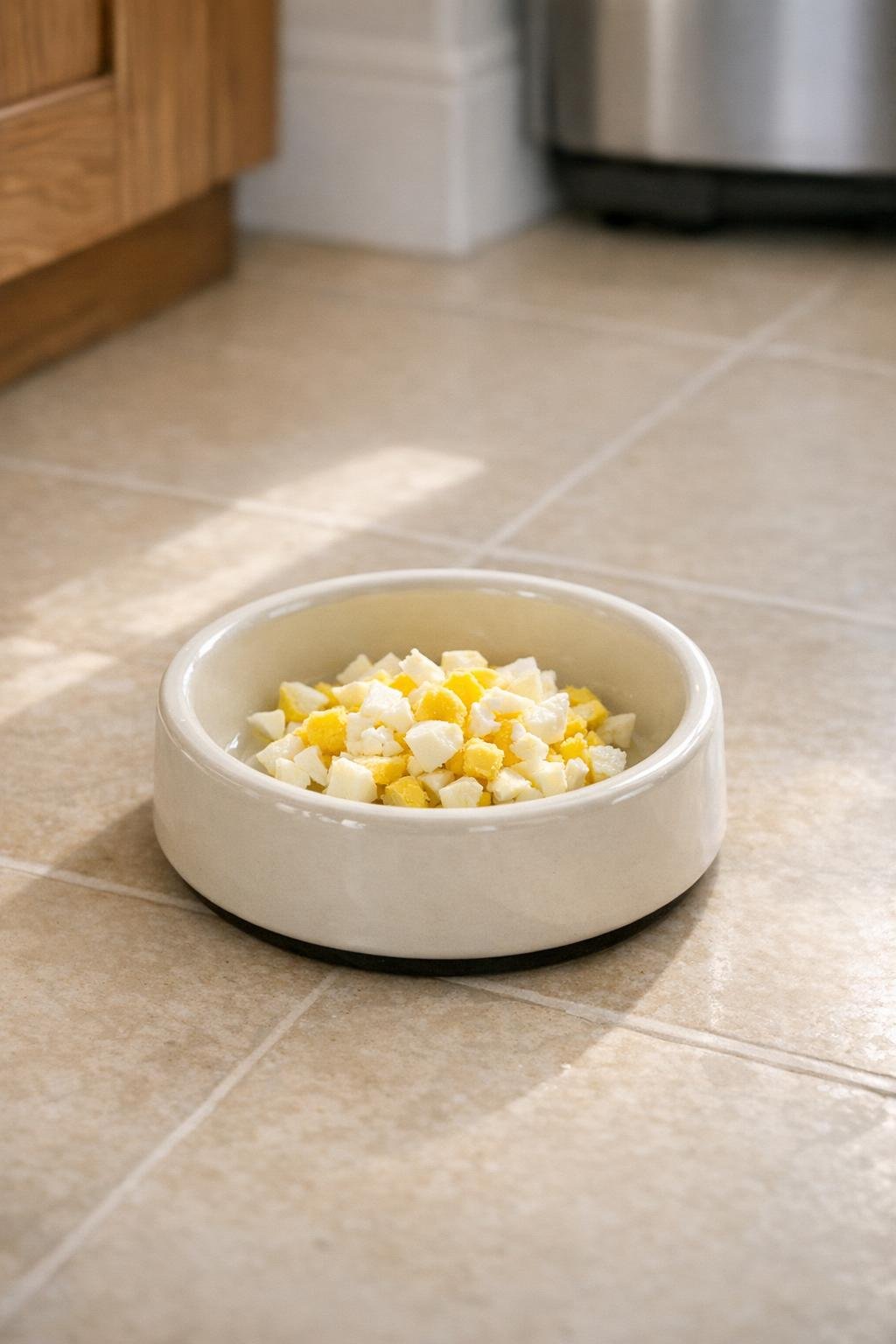
Eggs are one of my favorite dog breakfast add-ins because they’re easy, affordable, and packed with protein. For most dogs, 1 scrambled or boiled egg is a good serving for a medium to large dog, while small dogs usually do better with 2 to 4 tablespoons. Cook the egg fully and serve it plain, with no butter, onion, garlic, or heavy seasoning.
If your older dog needs a little encouragement to eat in the morning, chopped egg mixed into kibble can work wonders. I’ve found it especially helpful on days when a senior dog seems picky or low-energy. Skip greasy diner-style eggs, though, and never use xylitol-containing egg substitutes or seasoned breakfast casseroles.
2. Plain oatmeal
Cooked oatmeal can be a gentle, fiber-rich option, especially for dogs that need a little digestive support. Use plain rolled or old-fashioned oats cooked in water, not flavored packets. A reasonable amount is about 1 to 2 tablespoons for a small dog, 1/4 cup for a medium dog, and up to 1/2 cup for a large dog, mixed into their normal food rather than replacing it.
The catch is that oatmeal should stay very basic. Avoid brown sugar, raisins, chocolate chips, nutmeg, and artificial sweeteners, all of which can be harmful. If you’re making your own breakfast at the same time, scoop your dog’s portion out before you add milk, maple syrup, or toppings.
3. Plain Greek yogurt
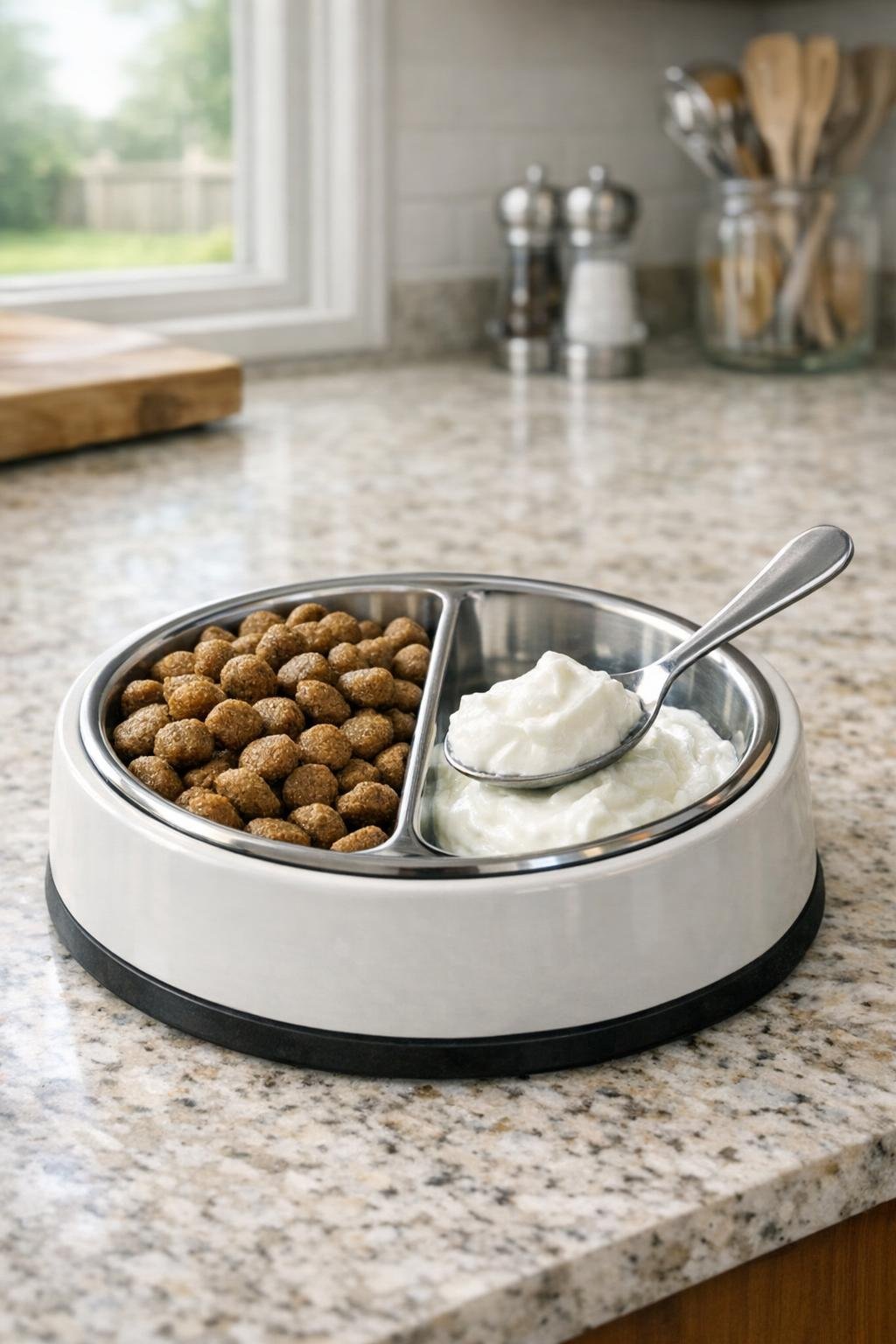
Plain Greek yogurt can be a nice protein-rich topper if your dog tolerates dairy well. I stick with unsweetened, unflavored yogurt and keep portions modest: 1 teaspoon for very small dogs, 1 tablespoon for medium dogs, and 2 tablespoons for larger dogs. It can be especially handy for hiding a morning pill or adding interest to dry food.
Always check the ingredient list carefully. You want no xylitol, no added sugar, and no flavored fruit mix-ins. Some dogs simply do not handle dairy well, so if your dog gets gassy or has loose stool after yogurt, cross this one off your list and move on to another breakfast add-in.
4. Blueberries
Blueberries are one of the easiest fresh breakfast foods to share because they’re naturally bite-sized and full of antioxidants. For a small dog, 2 to 3 berries is plenty, while medium and large dogs can usually have 4 to 10 depending on size. I like to wash them well and squish them slightly for older dogs who don’t chew as confidently as they used to.
They’re great stirred into plain yogurt or offered as little breakfast “dessert” pieces after the main meal. Just keep the portion small, because too much fruit can upset the stomach. And this is the general fruit rule I always remember: if a fruit has pits, seeds, or toxic varieties, double-check before sharing. Blueberries are the straightforward, low-drama option.
5. Pumpkin puree
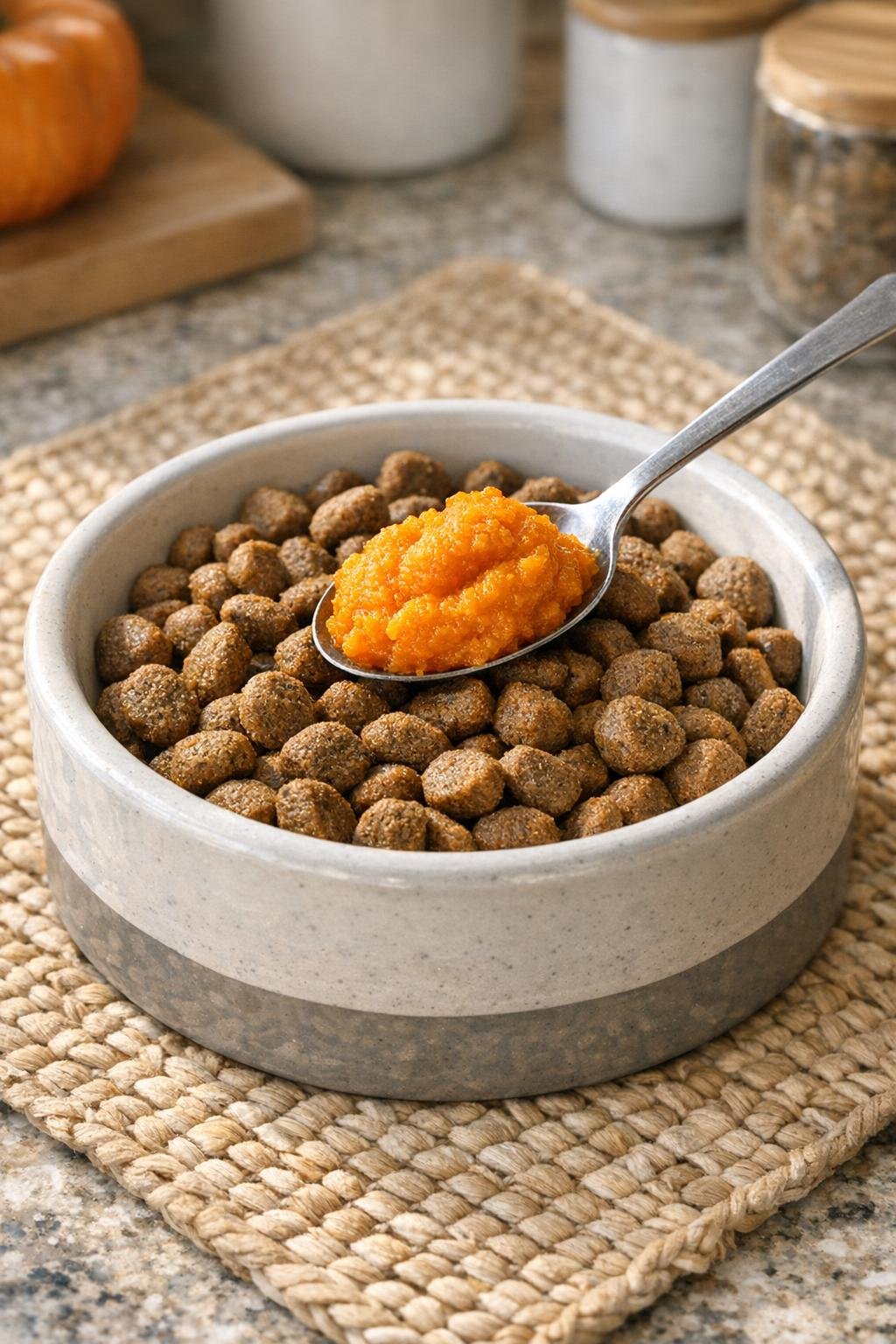
Plain canned pumpkin puree is one of those dog-owner staples that earns its place in the pantry. It’s rich in fiber and moisture, and many dogs love the taste. For breakfast, I use about 1 teaspoon for small dogs, 1 tablespoon for medium dogs, and up to 2 tablespoons for large dogs mixed into kibble or soft food.
Make sure the can says plain pumpkin puree, not pumpkin pie filling. Pie filling often includes sugar and spices that are not a good idea for dogs. If your older dog tends to have inconsistent digestion, a little pumpkin can be a practical, easy add-in, but too much can backfire and loosen stools, so don’t overdo it.
6. Cottage cheese
Cottage cheese can be another soft, high-protein breakfast option, especially for older dogs who prefer gentler textures. A small amount goes a long way: 1 teaspoon for a little dog, 1 to 2 tablespoons for a medium dog, and up to 3 tablespoons for a large dog. I look for plain, low-sodium cottage cheese whenever possible.
Because it’s a dairy product, it’s not right for every dog. Try it on a day when you’ll be home to watch for any stomach upset. Also skip cottage cheese mixes with fruit, chives, or savory seasonings. For senior dogs with dental soreness, though, this can be a nice soft topper that makes breakfast easier to finish.
7. Banana slices
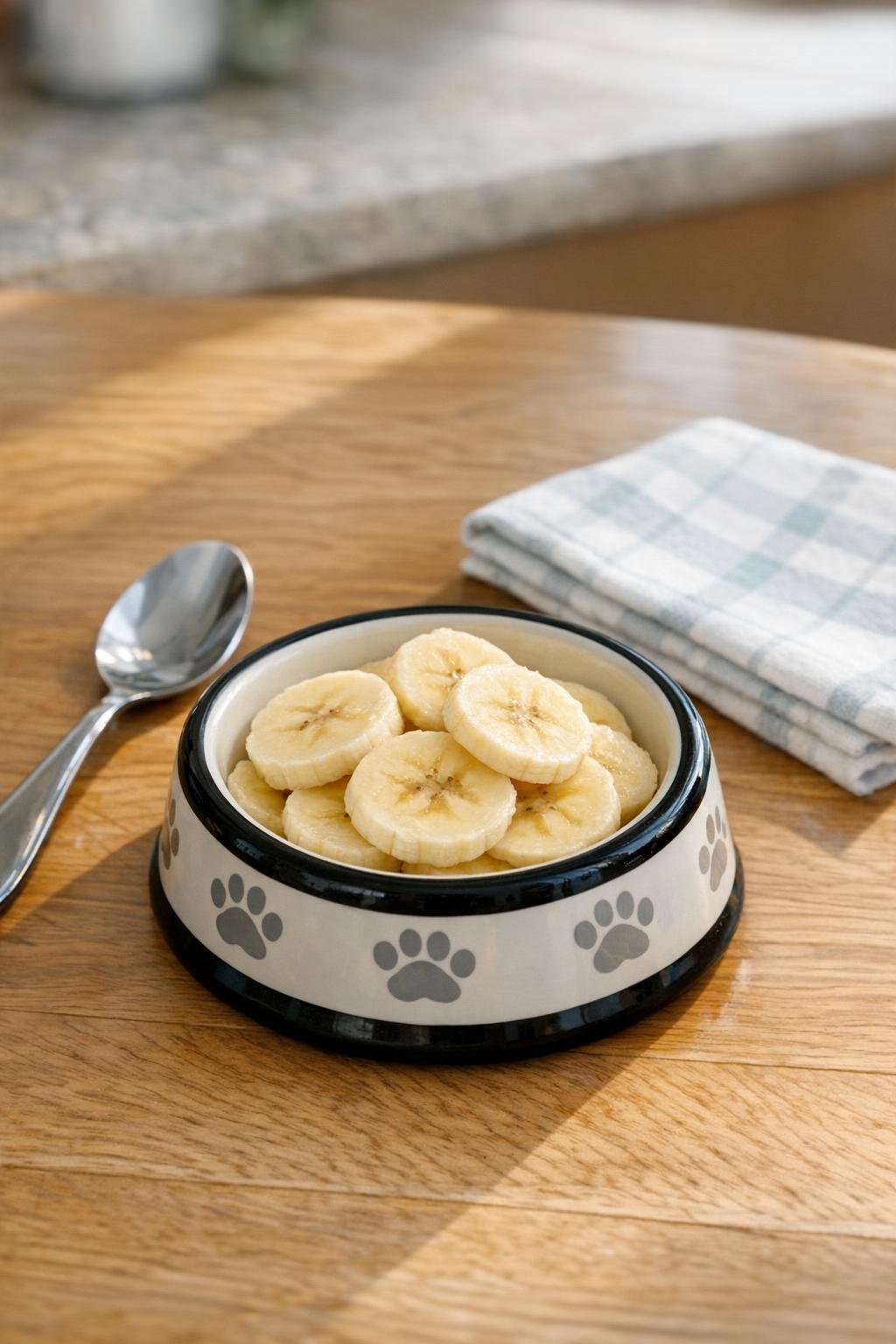
Banana is a soft, convenient choice that works well for older dogs, especially those who struggle with crunchy treats. I usually give 2 to 3 thin slices to a small dog, about 1/4 of a banana to a medium dog, and up to 1/2 a banana for a large dog, cut into bite-size pieces. It’s easy to mash into oatmeal or yogurt too.
Since bananas are higher in natural sugar than berries, I treat them as a small add-on, not a daily large serving. If your dog is overweight or diabetic, this is one to run by your vet first. And of course, just the fruit only, never the peel, which is tough to digest and not worth the risk.
8. Cooked sweet potato
Cooked sweet potato is filling, soft, and easy to portion for dogs that do well with a little extra fiber. Bake, steam, or microwave it until soft, then serve it plain with the skin removed. A good serving is about 1 tablespoon for small dogs, 2 to 3 tablespoons for medium dogs, and 1/4 cup for larger dogs.
This is another one where preparation matters more than the ingredient itself. Sweet potato fries, casseroles with marshmallows, butter-heavy mash, or anything seasoned with onion or garlic are off-limits. Plain is best. I like mashing a spoonful into kibble when I want to stretch breakfast without adding something greasy.
9. Lean cooked turkey or chicken
If you have leftover plain turkey or chicken from meal prep, a small amount can make an excellent breakfast protein boost. For small dogs, 1 tablespoon of finely chopped meat is enough; medium dogs can have 2 to 3 tablespoons; and large dogs can have around 1/4 cup. I use skinless, boneless meat and keep it unseasoned.
This is where breakfast foods can get risky fast, because many people think of sausage, bacon, ham, or deli meat first. Those are usually too salty, too fatty, or too processed for dogs, especially seniors. Stick with plain cooked poultry only, and make sure there are no bones, no drippings, and no garlic- or onion-based seasoning blends.
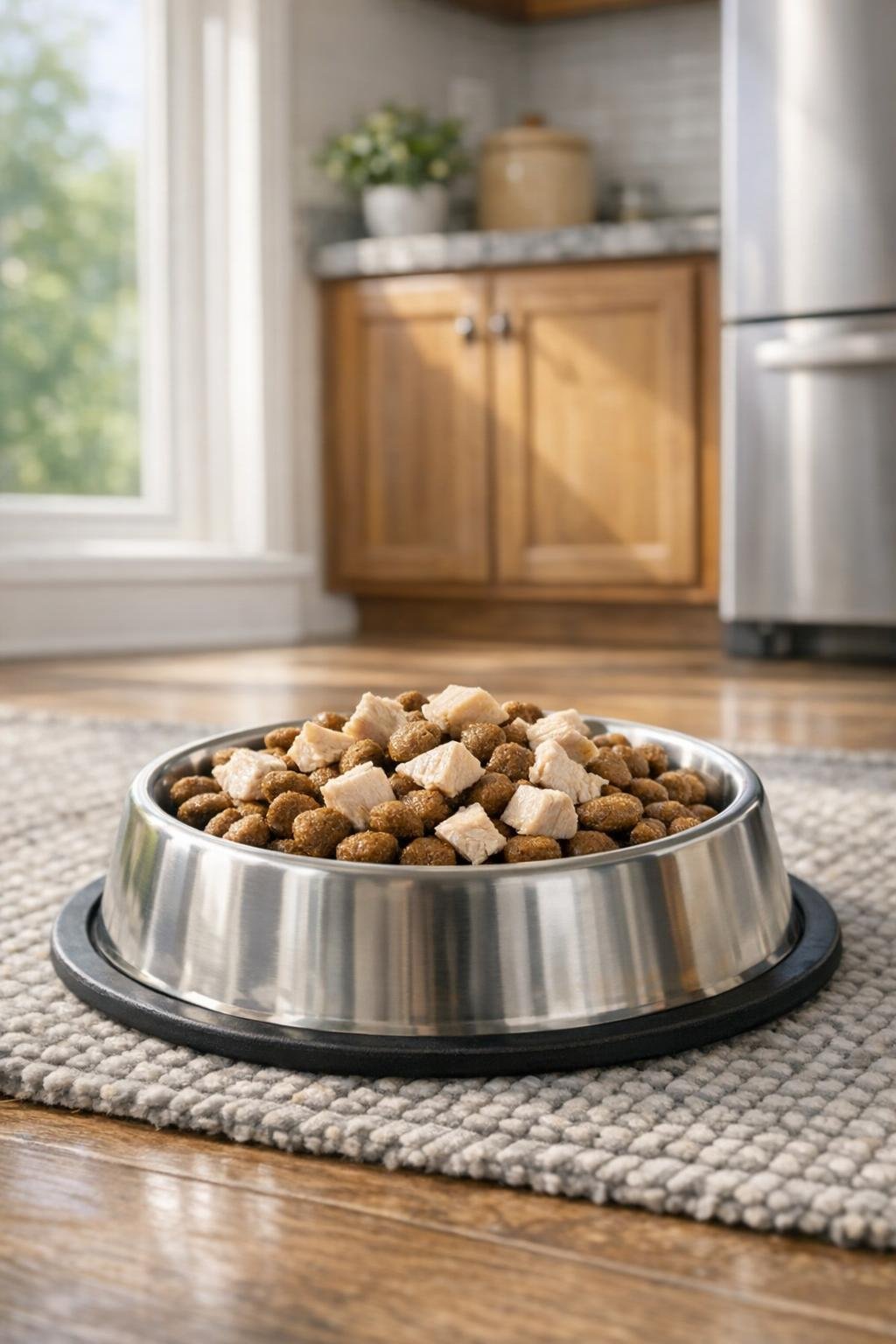
A healthy dog breakfast doesn’t have to be complicated. I always think of these foods as small, safe extras to support your dog’s regular balanced diet, and when in doubt, especially with an older dog who has medical issues, it’s worth checking with your vet before adding something new.