
 Dogs
 Cats
 Birds
 Horses
 On the Land
 In the Sea
If you have ever stepped through the door after a 15-minute trip to the mailbox and been welcomed like a returning war hero, you are in good company. I have lived with dogs most of my life, from farm mutts that trotted beside the tractor to soft-eared house dogs that knew the squeak of my screen door better than any person ever could. That full-body wiggle, the spinning, the happy whining, and the toy brought straight to your feet can seem downright dramatic, but there is usually more going on than simple excitement.
For those of us who love our old companions and have paid close attention to their ways over the years, those grand greetings are one of the sweetest parts of dog ownership. Some reasons are emotional, some are instinctive, and some are tied to routine in a way that reminds me of good Midwestern homemaking itself. Here are 9 surprising reasons your dog acts like you have been gone a year, even when you only stepped out for a little while.
1. Your dog experiences time differently than you do
Dogs do not read clocks or glance at the microwave to see whether 12 minutes or 2 hours have passed. They measure life by events: breakfast at 7 a.m., the mail truck at noon, supper around 5:30, your favorite chair in the evening. So when you disappear from that familiar pattern, even for 20 or 30 minutes, your absence stands out more sharply than it would to you.
I have noticed this especially in steady household dogs who know every little rhythm of the day. If you usually return from town by 11 a.m. and come back at 12:15 instead, that shift can feel significant to them. Their big greeting is often their way of saying, “The pattern is right again.”
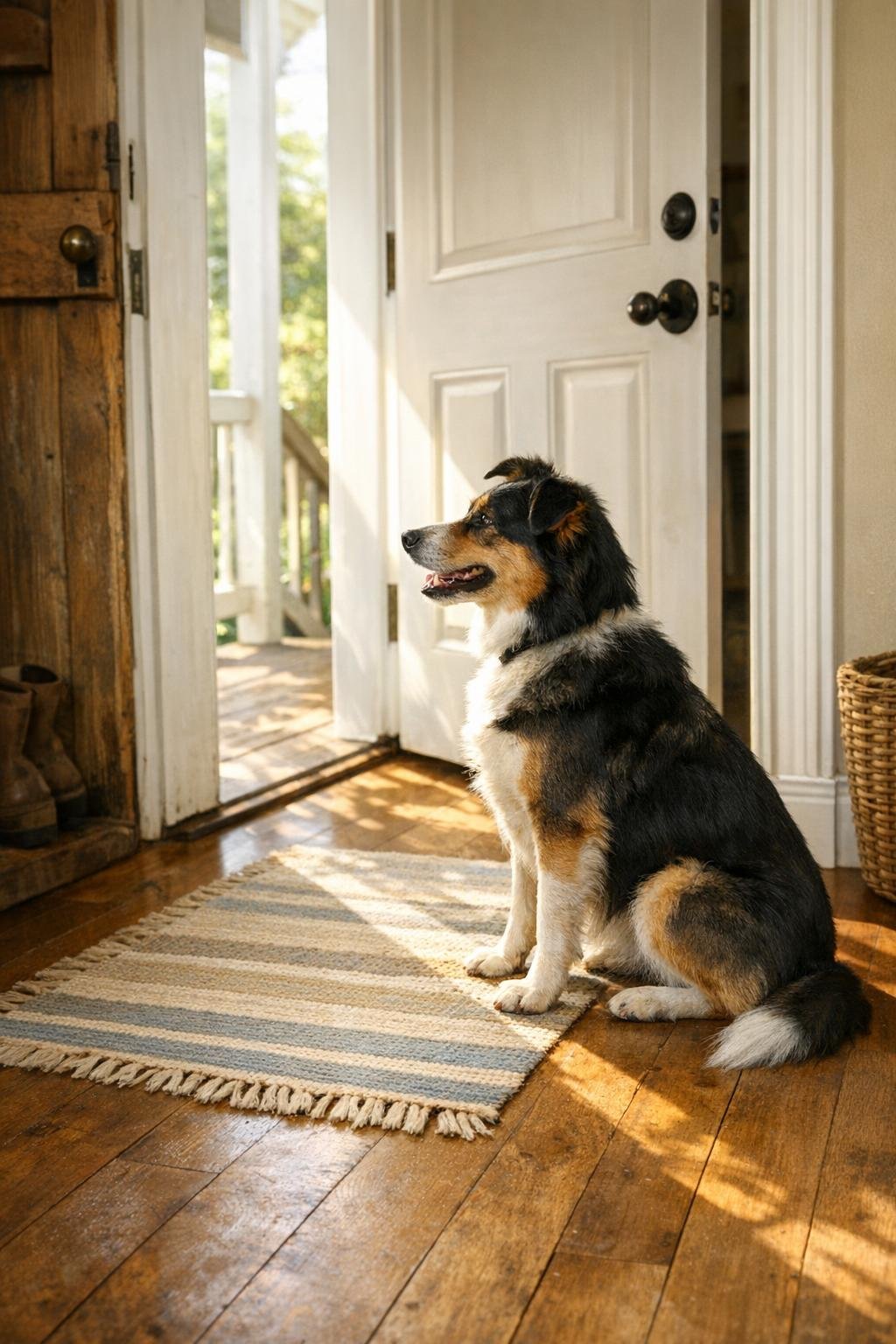
2. Your scent is your dog’s favorite reassurance
We humans lean heavily on sight and words, but dogs live through their noses in a way that is hard for us to fully imagine. Your dog can pick up layers of scent from your shoes, coat, hands, and even the grocery bags you carry in. When you come home, that familiar smell does more than identify you; it reassures your dog that the household is safe and complete again.
That is why many dogs press their nose against your pant leg, sniff your sleeves, or circle the bags before they settle down. A dog’s nose has tens of millions more scent receptors than ours, and that homecoming sniff is like reading a whole newspaper at once. It is joy, information, and comfort bundled together.
3. Reunions trigger a burst of happy brain chemicals
When your dog sees you return, the brain can release feel-good chemicals tied to bonding and reward. In plain terms, coming home makes you part of your dog’s best moment of the day. That tail thumping against the wall, the hopping in place, and the soft groans of happiness are not just habits; they are a physical response to seeing someone beloved.
This is one reason some dogs can hardly contain themselves for the first 30 to 90 seconds after you walk in. After that, many settle quickly, stretch out, and go right back to normal. The greeting looks over-the-top to us, but to your dog it is a sincere rush of relief and delight.
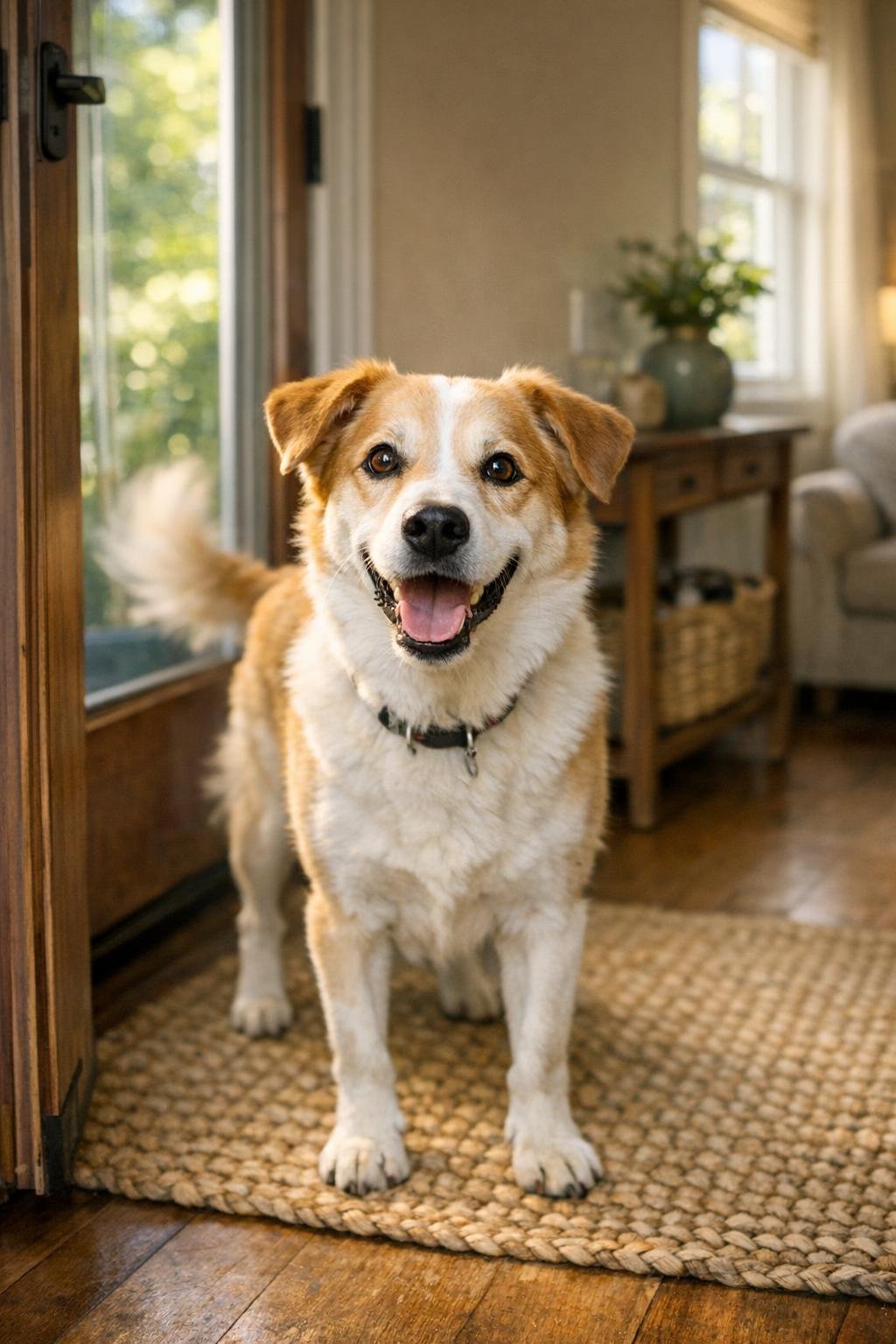
4. You are the center of your dog’s social world
For many dogs, especially older dogs who spend most of their day at home, their people are not just companions. We are their pack, their routine, and the heart of their little world. If a dog sees only two or three familiar humans regularly, each departure matters more than it would in a busier household with constant activity.
I have seen this in country homes where the day is quiet except for birdsong, a passing truck, and the kettle whistling. In that kind of peaceful life, your return is the biggest event on the schedule. No wonder your dog treats it like a celebration worth four paws and a song.
5. Your return often predicts something wonderful
Dogs are excellent at linking one event to another. If your homecoming often leads to a walk, a biscuit, supper, a ride in the pickup, or simply an ear rub in the kitchen, your dog learns that your arrival is the start of good things. In training language, it is reinforcement. In everyday language, it means your dog thinks, “Here comes the fun.”
Even small patterns matter. If 4 out of 5 times you come through the back door and then fill the food bowl within 10 minutes, your dog will notice. The enthusiastic greeting may be heartfelt affection, but it can also be hopeful anticipation of the next pleasant part of the routine.
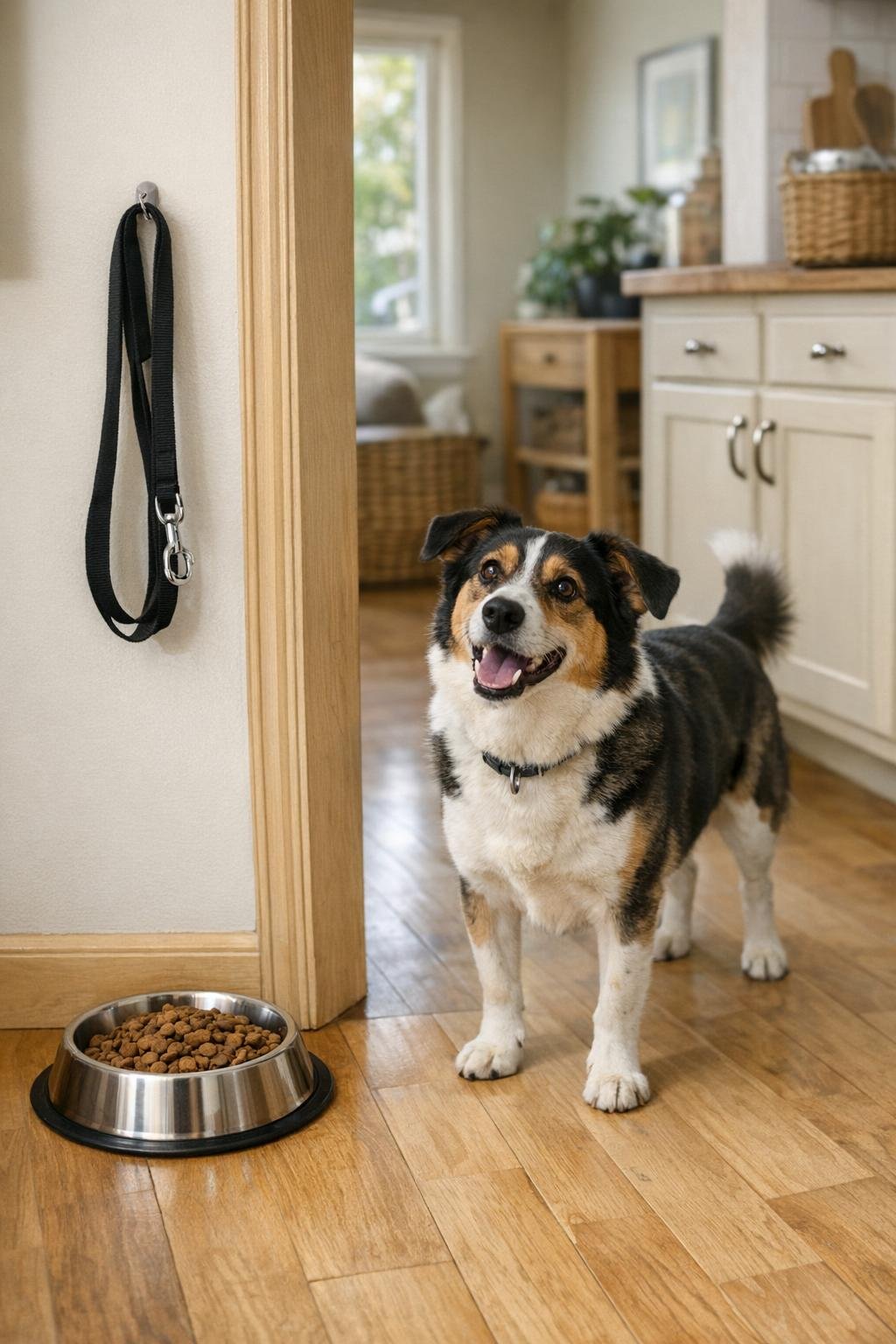
6. Some dogs carry a little separation anxiety
Not every dramatic greeting is pure cheer. For some dogs, especially those who are deeply attached, aging, rescued, or unused to being alone, your absence creates real stress. They may pace, watch the door, whine, or struggle to rest until you return. When you do come home, the greeting can be extra intense because the tension finally breaks.
If your dog is panting, drooling, scratching doors, or staying in a high state of alert even after you get back, it may be worth paying closer attention. A happy greeting usually settles within a minute or two. Ongoing distress is different, and older owners are often the first to notice those subtle changes because we know our dogs so well.
7. Breed instincts can make greetings bigger and louder
Some dogs are simply built for expressive behavior. Herding breeds, sporting dogs, companion breeds, and many mixed breeds can be especially animated with movement, vocal sounds, and physical closeness. A Labrador may greet with a whole-body wag and a sock in its mouth, while a little companion dog may spin in tight circles for a full 45 seconds.
On the other hand, even calmer breeds often have their own version of a reunion ritual: leaning against your leg, pawing your knee, or carrying the same toy every time. The greeting style may be shaped by breeding as much as by personality. Your dog is not trying to be theatrical; that may just be the way generations of instinct come out at the front door.
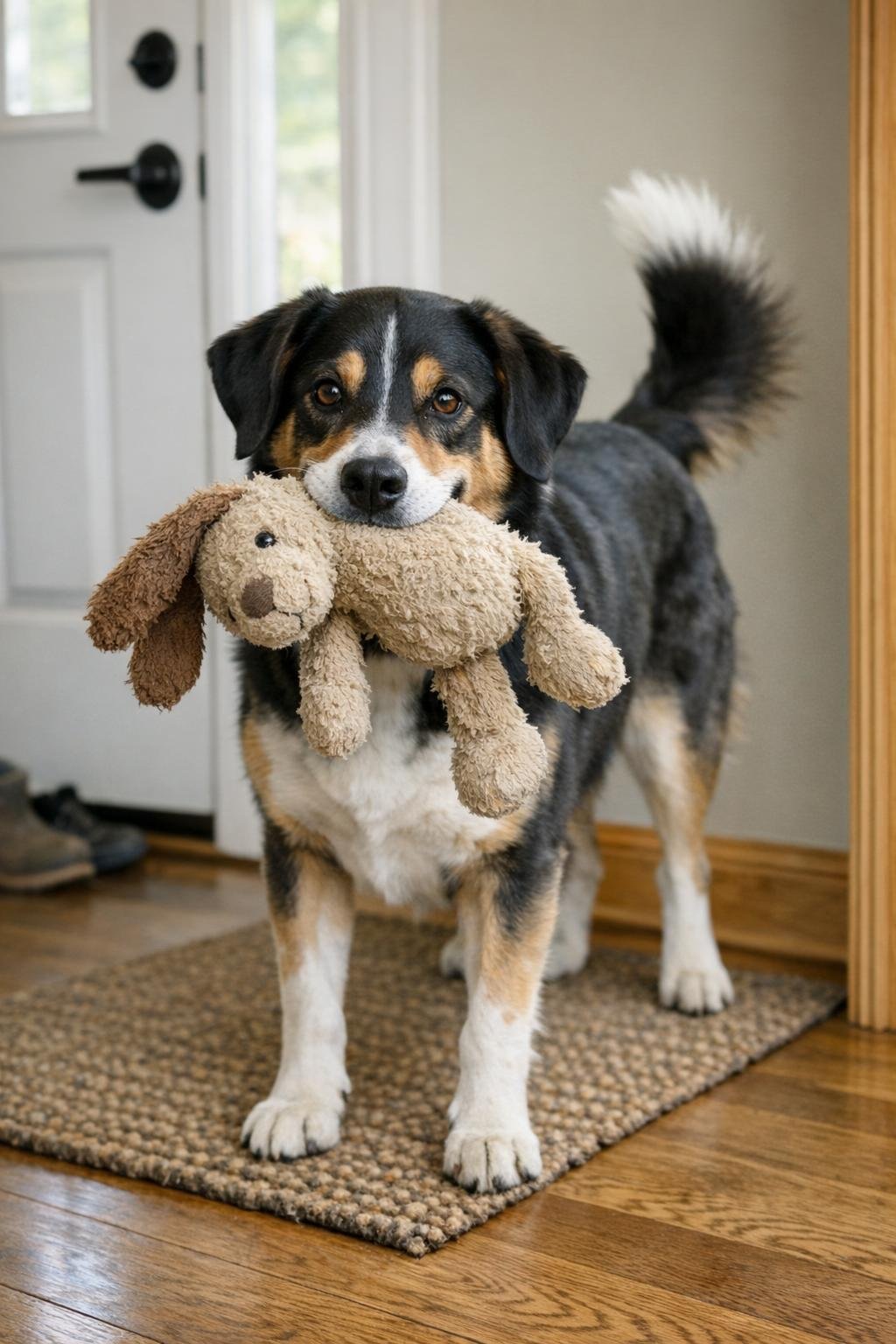
8. Age can make attachment and routines even stronger
As dogs grow older, many become more set in their habits, not unlike the rest of us. A senior dog may nap more deeply, move more slowly, and depend more heavily on familiar voices, footsteps, and schedules. When you come home, that return may feel especially important because it restores comfort and predictability.
I have had old dogs who no longer bounded to the door but still gave me the most tender welcome: a slow tail sweep, bright eyes, and a careful stand-up from the rug. Even without the jumping and spinning, the feeling can be just as big. In older dogs, the “gone a year” greeting sometimes shows up in quieter but even more touching ways.
9. Your dog may be mirroring the energy you bring home
Dogs are sharp observers of body language, tone, and movement. If you come in talking brightly, bending down, rustling bags, and saying your dog’s name in a sing-song voice, your dog often matches that excitement immediately. In a sense, part of the grand reunion may be your own loving performance reflected right back at you.
This is not a bad thing one bit. In fact, it is one of the sweetest proofs of your bond. If you want calmer greetings, standing still for 10 to 20 seconds and speaking softly can help. But if you enjoy that merry commotion at the door, I say there are worse ways to be welcomed home after a trip to town.
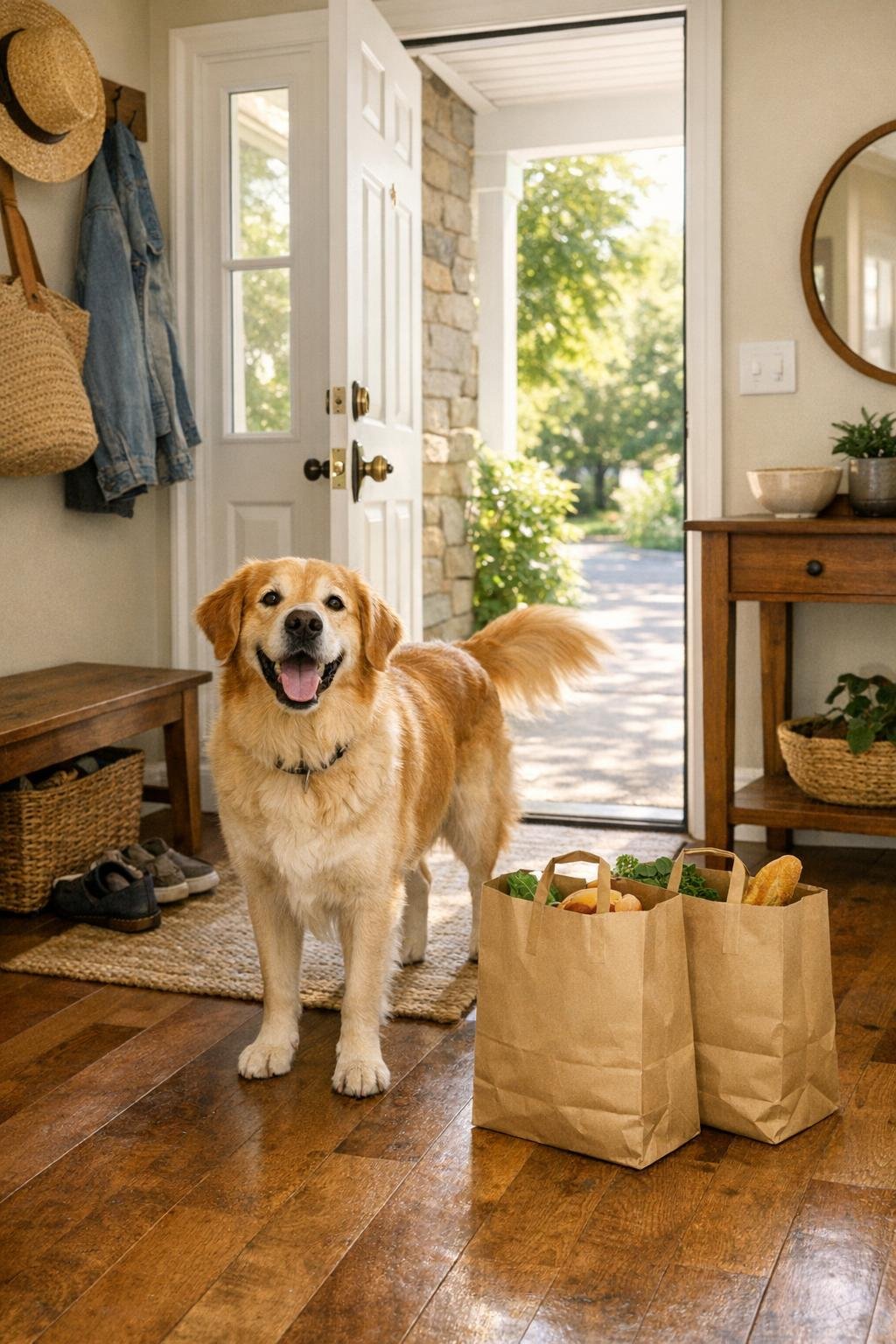
For all the science and routine behind it, I still think a dog’s homecoming fuss is one of life’s great blessings. Whether your companion greets you with leaps, sniffing, songs, or a gentle thump of the tail, that wholehearted welcome is their plain and honest way of saying you matter.