
 Dogs
 Cats
 Birds
 Horses
 On the Land
 In the Sea
If you share your home with an older dog, you probably think about food a little differently than you did in the puppy years. I know I do. As my own dogs have aged, I’ve paid much closer attention to treats, digestion, hydration, and maintaining a healthy weight. Fresh fruits and vegetables can be a smart way to add fiber, vitamins, and variety without piling on excess fat or calories, as long as you choose dog-safe options and serve them in sensible portions.
The key, of course, is knowing what actually belongs in the bowl. Not every produce item is appropriate for dogs, and even healthy choices need a bit of prep. Below are 10 of my favorite fruits and vegetables to share with dogs, especially seniors who may benefit from softer textures, extra moisture, and lower-calorie snacks. I always introduce new foods slowly and keep treats to about 10% of a dog’s daily calories.
1. Blueberries
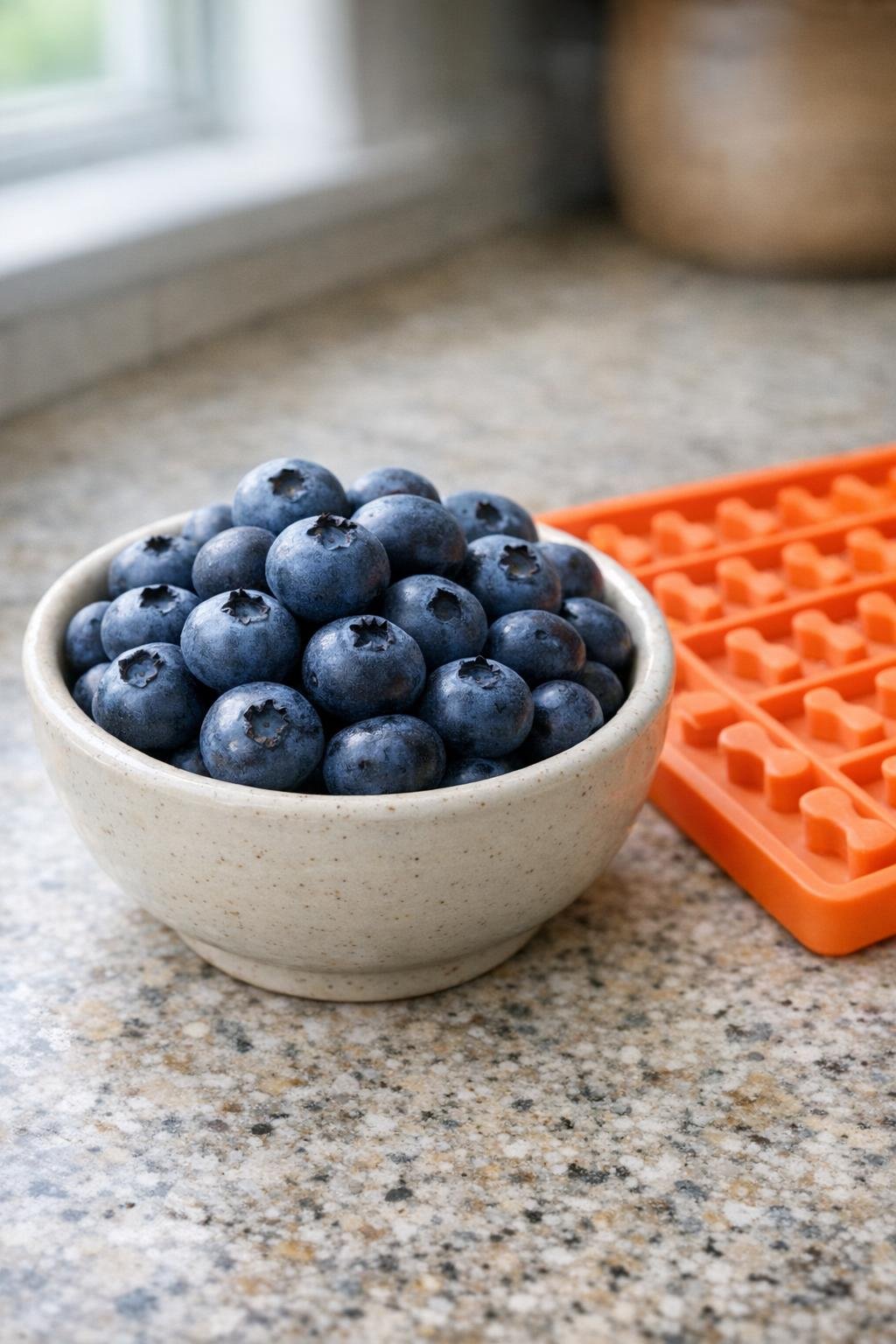
Blueberries are one of the easiest dog-friendly fruits to keep on hand. They’re small, soft, and naturally portion-controlled, which makes them especially helpful for older dogs who need lighter treats. I often give 3 to 5 blueberries to a small dog, 5 to 8 to a medium dog, and up to 10 to a large dog as an occasional snack. They’re rich in antioxidants and moisture, and they don’t leave a sticky mess on the floor or dog bed.
For senior dogs, I like serving them fresh or slightly thawed from frozen so they’re cool but not rock hard. If your dog gulps treats, mash the berries lightly with a fork and stir them into plain food. Always wash them well first, and skip sweetened dried blueberries, which are too high in sugar.
2. Carrots
Carrots are wonderfully practical because they’re inexpensive, easy to store, and full of crunch. For dogs who still enjoy chewing, a peeled carrot cut into 1-inch coins or thin sticks can make a satisfying snack. For older dogs with dental wear, I steam carrot slices for 6 to 8 minutes until fork-tender, then cool them before serving. A few tablespoons is plenty for most dogs.
They’re naturally lower in calories than many packaged treats, which matters if your dog has slowed down with age. I also like that carrots provide fiber and can be tucked into meals without much fuss. Just avoid serving large raw chunks to a dog that tends to swallow pieces whole.
3. Green beans
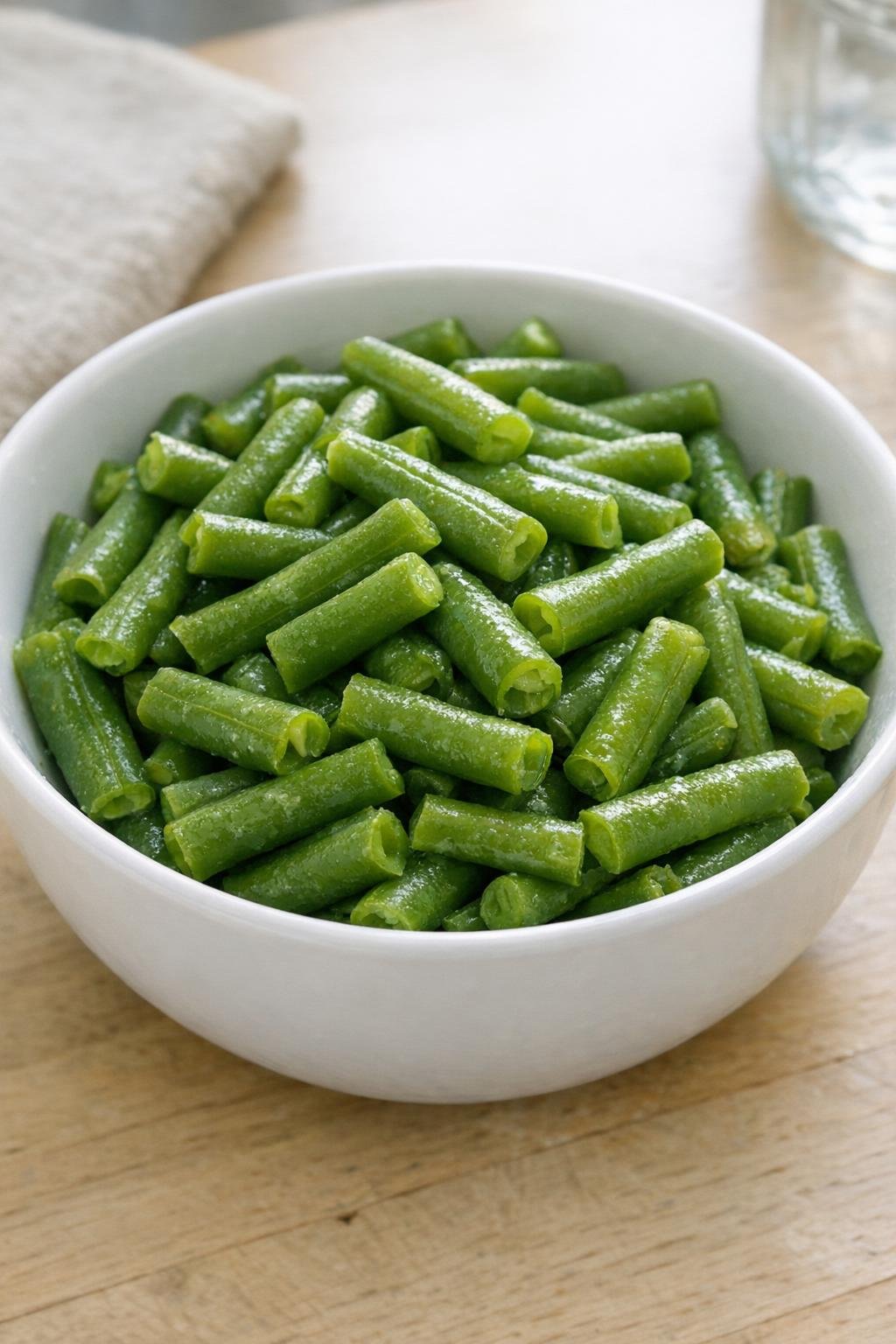
Green beans are one of the best vegetables for dogs who need a filling, low-calorie bite. I use plain steamed green beans often, especially for older dogs who seem hungry between meals but don’t need extra rich treats. A small dog may do well with 1 to 2 tablespoons cut into short pieces, while a larger dog can have 1/4 cup as a topper or snack.
Fresh or frozen green beans are both fine, but they should be cooked plain with no butter, garlic, onions, or heavy seasoning. Canned green beans can work in a pinch if they’re no-salt-added. I cut them into smaller lengths for senior dogs so they’re easier to chew and less stringy.
4. Pumpkin
Pumpkin is one of those ingredients I always like to keep in the pantry for dogs, especially seniors with sensitive digestion. Plain canned pumpkin puree, not pumpkin pie filling, can be a very useful addition in small amounts. I typically start with 1 teaspoon for a small dog, 1 to 2 tablespoons for a medium dog, and up to 2 tablespoons for a large dog mixed into dinner.
Its soft texture is ideal for older dogs who don’t want to work at hard foods, and the fiber can help keep stools more regular. Because it’s fairly dense, I treat it as an add-in rather than a free-for-all snack. Check the label carefully and choose puree with no added sugar or spices.
5. Apples
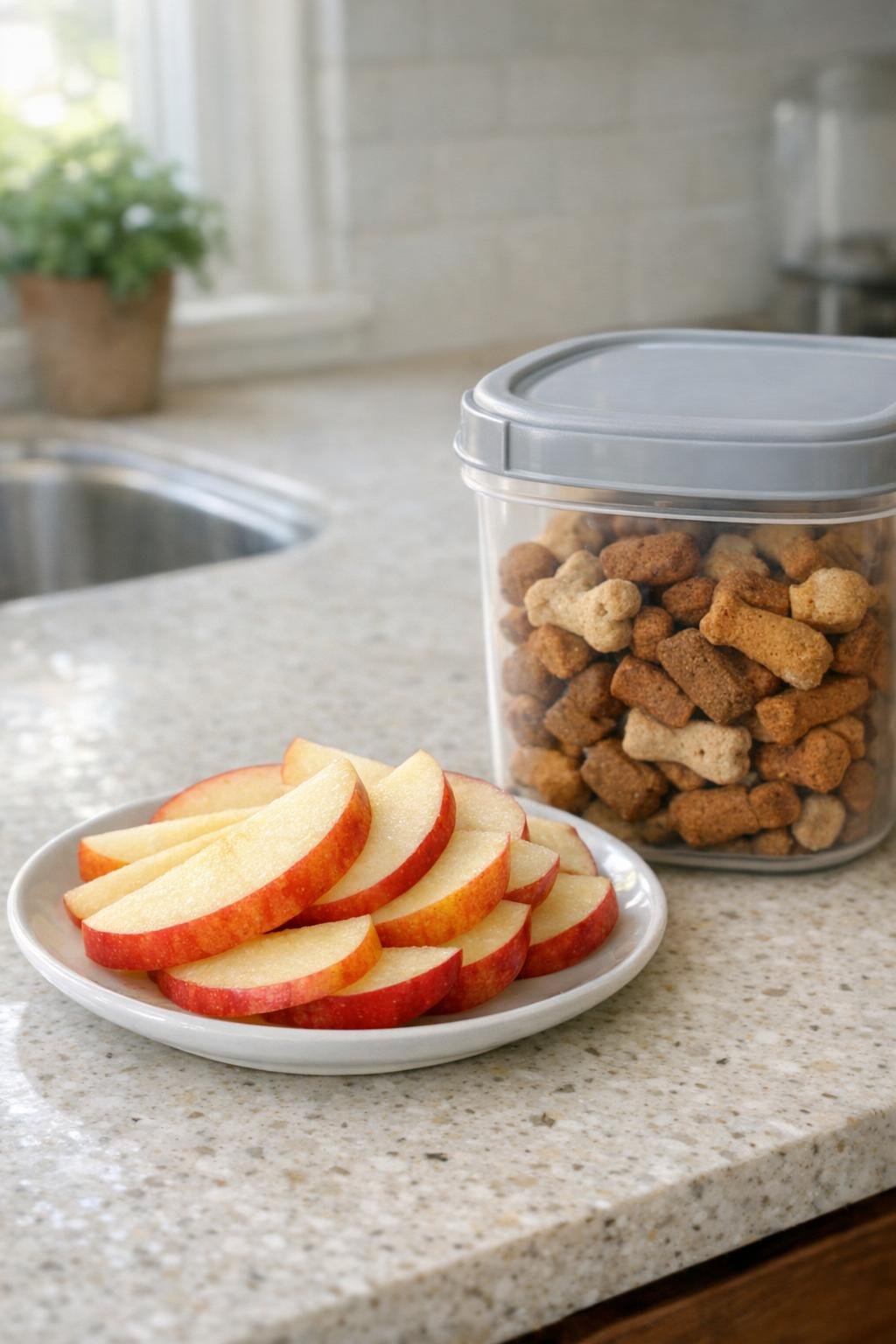
Apples can be a lovely crisp treat for dogs, provided you prepare them properly. I wash them, remove the core, stem, and all seeds, then cut the flesh into thin slices or small cubes. For an older dog, I prefer slices no thicker than 1/4 inch so they’re easier to bite through. A few small pieces are usually enough, particularly for smaller breeds.
They’re refreshing and hold up well for travel, which is handy if you keep treats in a container for walks or car rides. I avoid sugary apple chips and never offer the core. If your senior dog has weaker teeth, you can peel the apple first or dice it finely and mix it into food.
6. Sweet potatoes
Sweet potatoes are a softer, more substantial option that many dogs adore. I bake one at 400 degrees Fahrenheit for about 45 to 60 minutes until fully tender, then scoop out a tablespoon or two once it has cooled. For small dogs, 1 teaspoon to 1 tablespoon is usually enough. Because sweet potatoes are starchier than watery vegetables, I keep portions modest.
They mash beautifully, which makes them especially useful for older dogs who need easy-to-eat foods. I serve them plain only, with no butter, marshmallows, brown sugar, or spice blends. The natural sweetness is enough, and dogs usually don’t need any encouragement.
7. Watermelon
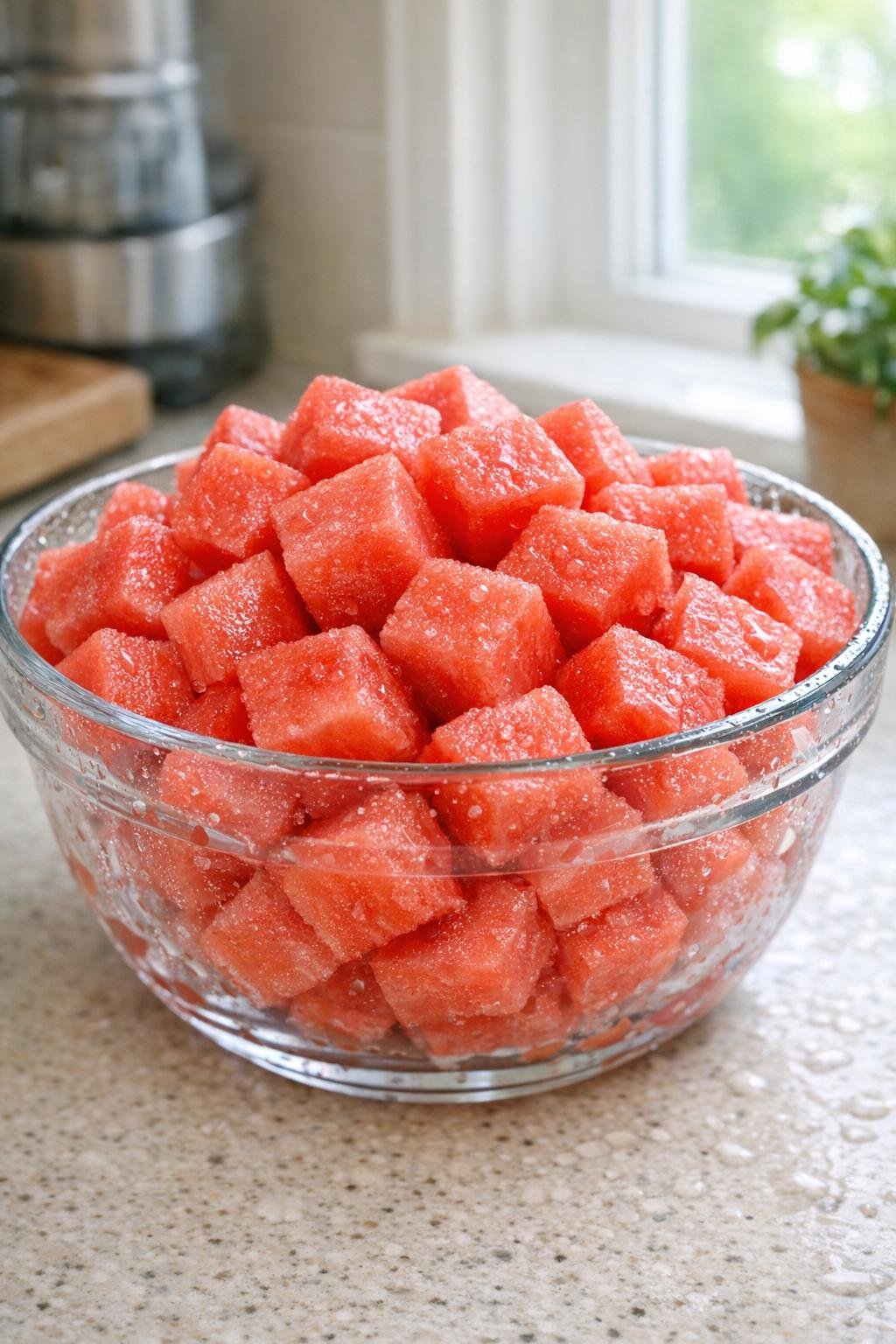
Watermelon is one of my favorite warm-weather treats for dogs because it adds hydration along with sweetness. It must be seedless or carefully de-seeded, and the rind should always be removed. I cut it into bite-size cubes, usually about 1/2 inch, and offer 2 or 3 cubes to a small dog or a small handful to a larger one.
For senior dogs on hot days, chilled watermelon can be a nice way to tempt a dog who isn’t very interested in snacks. Since it does contain natural sugar, I keep it occasional rather than constant. Served cold from the refrigerator, it’s simple and refreshing without being heavy.
8. Cucumbers
Cucumbers are crisp, mild, and very low in calories, which makes them useful for dogs who need lighter snacks. I slice them into thin rounds or half-moons about 1/8 to 1/4 inch thick. For an older dog that struggles with crunch, I peel the cucumber first and cut it into very small pieces. A few slices go a long way.
They’re mostly water, so they can be especially pleasant in summer or after a short walk. I serve them plain and fresh, never pickled. If your dog is new to raw vegetables, start with just a piece or two and see how the stomach handles it before making cucumbers a routine treat.
9. Strawberries
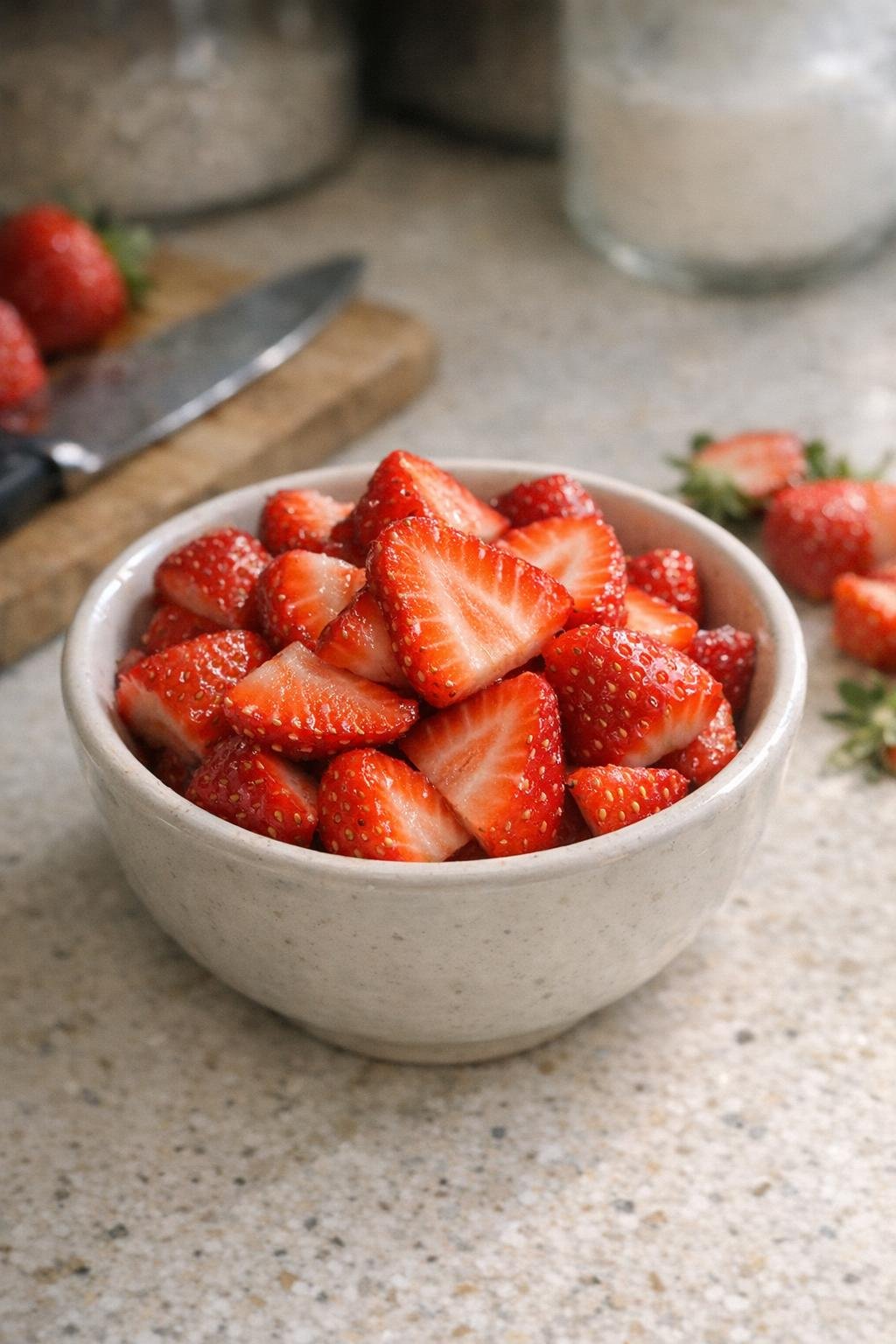
Strawberries are another fruit I like in careful portions for dogs, especially when cut up properly. I hull them, wash them well, and slice each berry into small pieces. For little dogs, half of one large strawberry may be enough; for medium to large dogs, 1 to 3 strawberries cut up can work as an occasional treat.
They’re softer than apples and easier for many senior dogs to manage, but they are still sweet, so moderation matters. I avoid canned strawberries, syrup-packed fruit, or anything dipped in chocolate or yogurt coating. Fresh plain berries are the safest and simplest route.
10. Zucchini
Zucchini is mild enough that many dogs accept it easily, and it works either raw in tiny pieces or lightly cooked. For older dogs, I prefer steaming or sautéing it dry in a nonstick pan for 4 to 5 minutes until just softened, then cooling it completely. I usually add 1 tablespoon for a small dog and up to 1/4 cup for a larger dog.
It’s a practical vegetable because it blends into meals without overpowering them. Dice it finely and stir it into your dog’s regular food if they’re suspicious of new textures. As with the other vegetables here, keep it plain and skip oil-heavy, salty, or seasoned preparations.
Fresh produce can be a lovely addition to an older dog’s routine when it’s chosen carefully, prepared simply, and served in small amounts. I think of these fruits and vegetables as helpful extras rather than meal replacements, and when in doubt, I always check with a veterinarian before adding something new to a senior dog’s diet.