
 Dogs
 Cats
 Birds
 Horses
 On the Land
 In the Sea
If you’ve ever shared your home with a dog for 10, 12, or even 15 years, you already know the bond goes far beyond “pet ownership.” A dog is there for the ordinary parts of life that end up mattering most: the 6 a.m. wake-up, the slow walk around the block, the familiar sound of nails on the kitchen floor, the quiet company at the end of a hard day. When that presence disappears, the loss can feel every bit as sharp and disorienting as losing a member of the family.
I’ve known many devoted dog owners over the years, especially fellow Midwesterners who build their routines around their animals in very practical, loving ways. For older owners in particular, a dog often becomes woven into daily structure, emotional support, and even identity. These are 10 reasons losing a dog can be as difficult as losing a loved one, and why that grief deserves to be taken seriously.
1. They are part of your daily rhythm
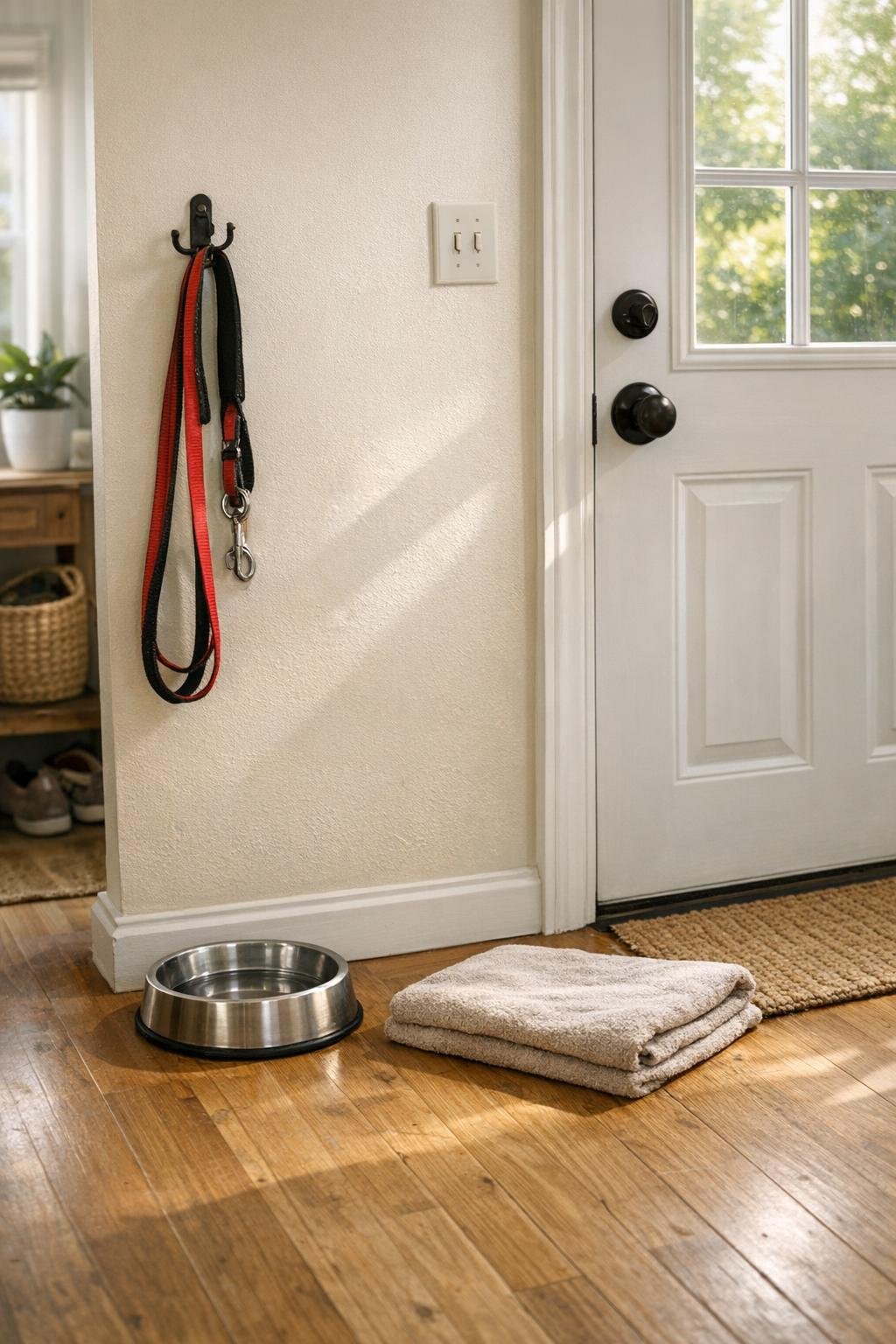
One of the hardest parts of losing a dog is that grief doesn’t only arrive in big emotional waves; it shows up in tiny scheduled moments all day long. If you fed your dog at 7 a.m. and 5 p.m., walked the same three blocks after dinner, or filled the water bowl every night before bed, those repeated actions leave empty spaces that are impossible to miss. A dog doesn’t just share your home; they help structure the day.
For older owners, that routine can be especially meaningful. A 15-minute morning walk, a noon potty break, and a last trip outside at 9 p.m. create dependable anchors. When those anchors vanish overnight, the house can feel strangely unmoored, and that practical disruption often deepens the emotional pain.
2. Their love is constant and uncomplicated
Human relationships are rich, but they can also be complicated by history, misunderstandings, and expectations. A dog offers affection in a direct, unmistakable way. They greet you at the door, wait beside your chair, rest their head on your knee, and seem genuinely happy simply because you’re there. That kind of steady devotion leaves a real emotional imprint.
When that source of comfort is gone, people often feel the loss in the body as much as in the mind. The absence of a warm 50-pound body curled at your feet or a familiar nudge of the nose against your hand can make a room feel colder. It’s not sentimental exaggeration; it’s the loss of consistent physical and emotional reassurance.
3. Dogs witness the most intimate parts of life
Dogs are present for moments many other people never see. They’re there during illness, retirement, sleepless nights, recovery after surgery, and those ordinary afternoons when you don’t feel like talking to anyone. Over 10 or 12 years, they quietly accompany major life transitions, and that shared history builds a bond that is profoundly personal.
I think this is one reason the grief can feel so deep: your dog knew the private version of your life. They were in the kitchen when the coffee was brewing at 6:30, under the table during family dinners, and beside the bed when the house was finally quiet. Losing them can feel like losing a witness to your real life, not just your public one.

4. Their absence changes the feel of the home
When a dog dies, the silence in the house can be startling. You notice the lack of toenails clicking across hardwood, the missing shake of a collar at the back door, and the fact that no one is waiting in the kitchen when the refrigerator opens. Even in a small 1,200-square-foot home, that absence can seem to fill every room.
Many people expect grief to be emotional, but the environmental shift is just as powerful. The unused food bin, the bed in the corner, the toys under the coffee table, and the gate by the stairs all become reminders. Home no longer feels arranged around a living companion, and that can be deeply unsettling.
5. You often cared for them with the same devotion you give family
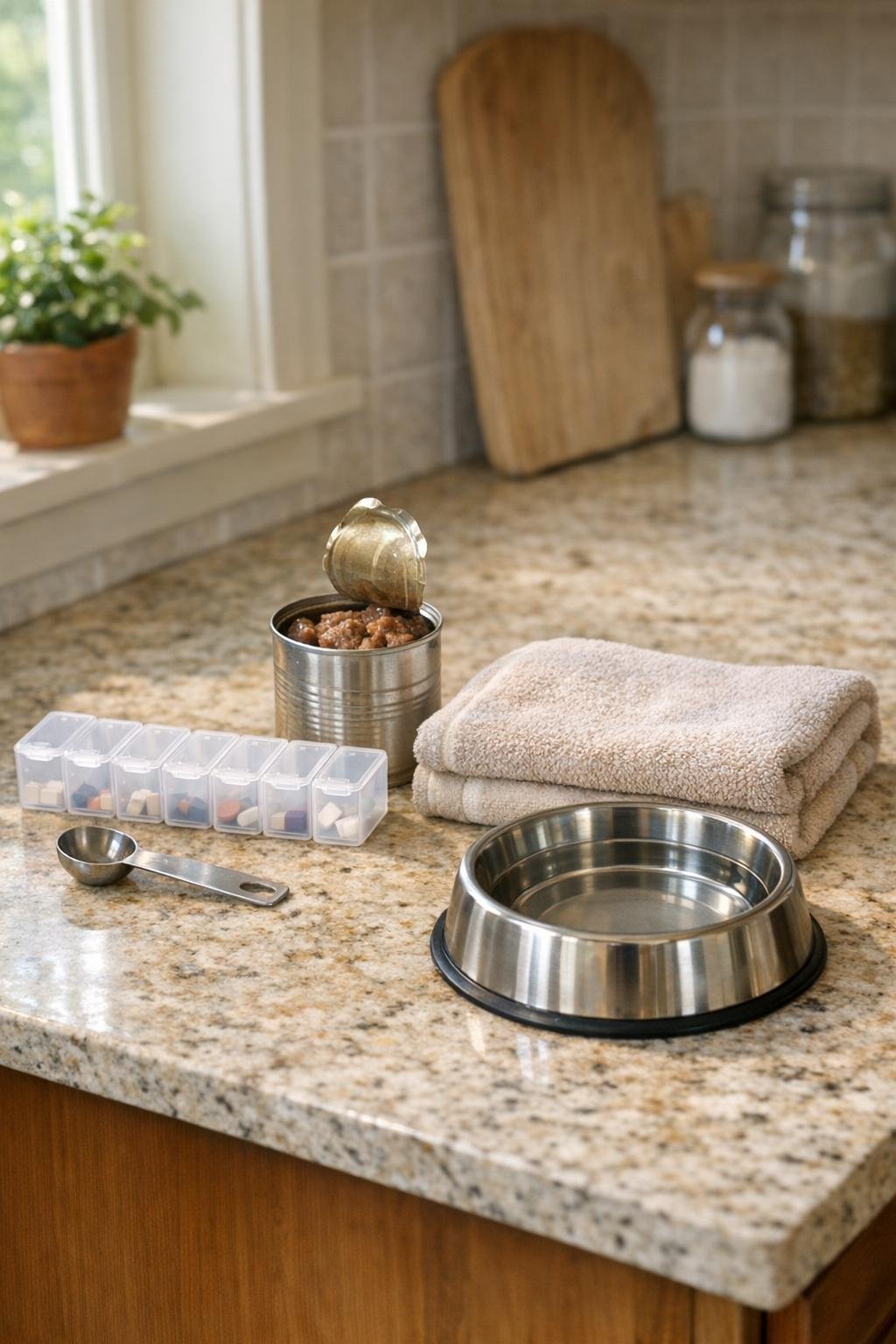
By the time a dog reaches their senior years, most devoted owners have done an extraordinary amount of caregiving. That may mean giving pills twice a day, lifting a 40- or 60-pound dog into the car for vet visits, preparing softer food, cleaning up accidents, or waking at 2 a.m. to help them outside. Those are acts of love, patience, and responsibility that mirror family caregiving in very real ways.
Because of that, the loss can carry exhaustion, sadness, and even the hollow feeling that comes after months of focused care. Your hands remember the routines: measuring medication, washing blankets, adjusting rugs so they won’t slip. When caregiving ends, many people don’t just miss the dog; they miss the role of being needed by that specific companion.
6. Grief is intensified by responsibility and decision-making
Losing a dog often involves difficult choices that stay with you. Owners may have to decide whether to pursue another treatment, schedule one more test, or consider euthanasia after weeks or months of decline. Those decisions can weigh heavily, especially if they were made after reviewing costs, quality of life, appetite changes, mobility issues, or pain levels.
That layer of responsibility can make grief more complex than people expect. Even when you know you acted with compassion, it is common to revisit the final week, the final day, or even the final hour. The emotional burden of being the one who had to choose can make the loss feel especially close to losing a human loved one.
7. Other people may not fully understand the depth of the loss
One painful difference in pet loss is that grief is sometimes minimized. People may say “it was just a dog” or assume you should move on within a few days. That response can leave owners feeling isolated, especially when they’ve just lost a companion who slept 8 feet from their bed every night for 13 years.
When grief is not fully recognized, it can become lonelier. In my experience, older dog owners often feel they have to explain why they are still upset two weeks or two months later. But love does not become less real because the family member had four legs, and being misunderstood can make mourning even harder.
8. A dog can be a primary companion in later life
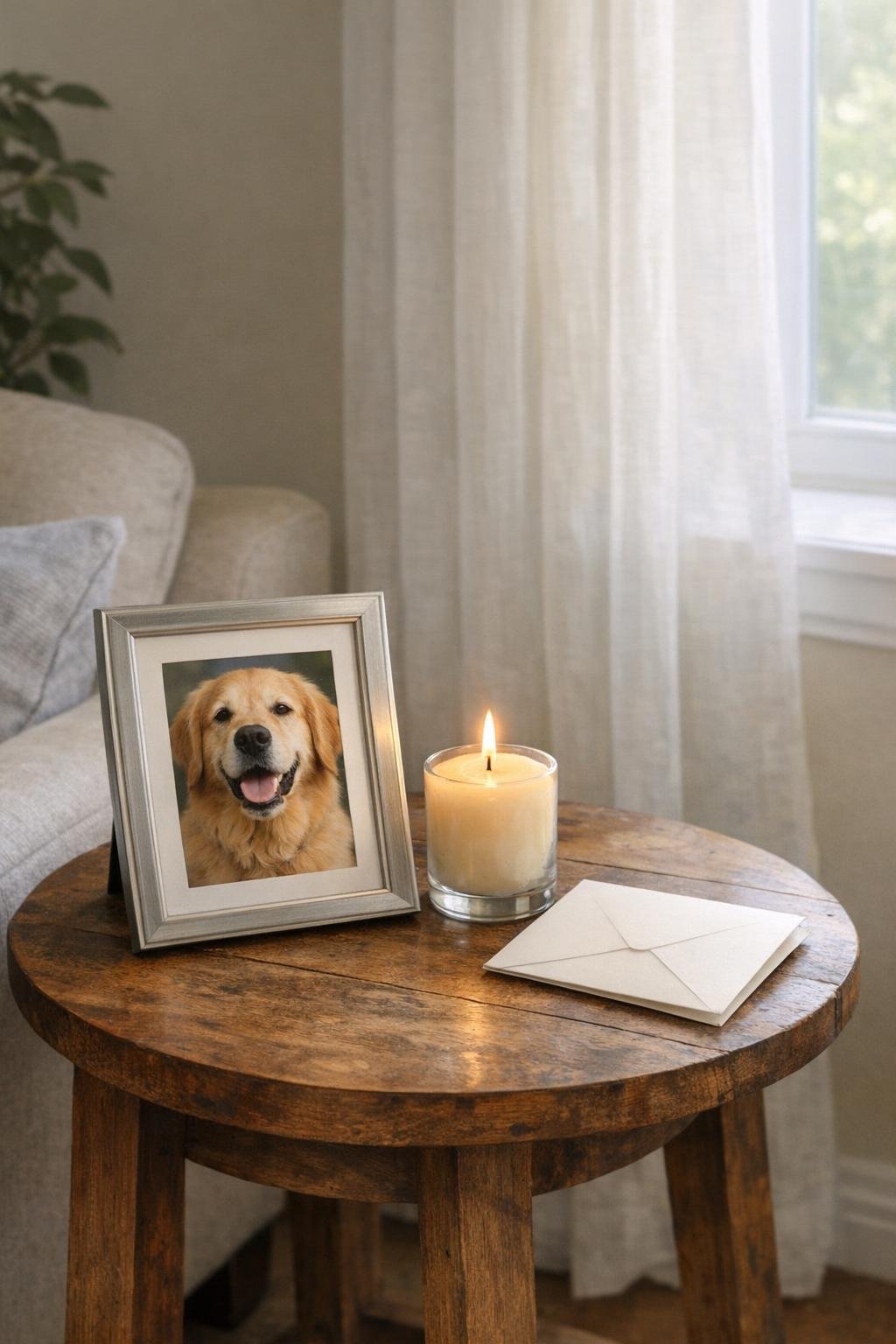
For many older adults, a dog is not one relationship among dozens; they may be the closest day-to-day companion in the home. If children live out of state, a spouse has passed away, or friends are less mobile than they once were, a dog may be the one living being you speak to, walk with, and care for every single day. That companionship is substantial, not symbolic.
The loss can therefore affect emotional health in a very practical way. Without the dog, there may be fewer walks, fewer conversations with neighbors, and fewer reasons to keep a consistent schedule. In a metropolitan Midwest neighborhood, I’ve seen how a dog can connect someone to the block, the park, and the rhythm of the week; losing that can narrow life all at once.
9. Memories are tied to places, objects, and habits
After a dog is gone, grief can be triggered by surprisingly ordinary things: the back seat of the car, the treat jar on the counter, the worn path along the fence, or the corner of the couch where they always slept. Because dogs are so embedded in home life, memory cues are everywhere. You may turn toward the pantry at 4 p.m. out of habit, expecting to hear eager footsteps that no longer come.
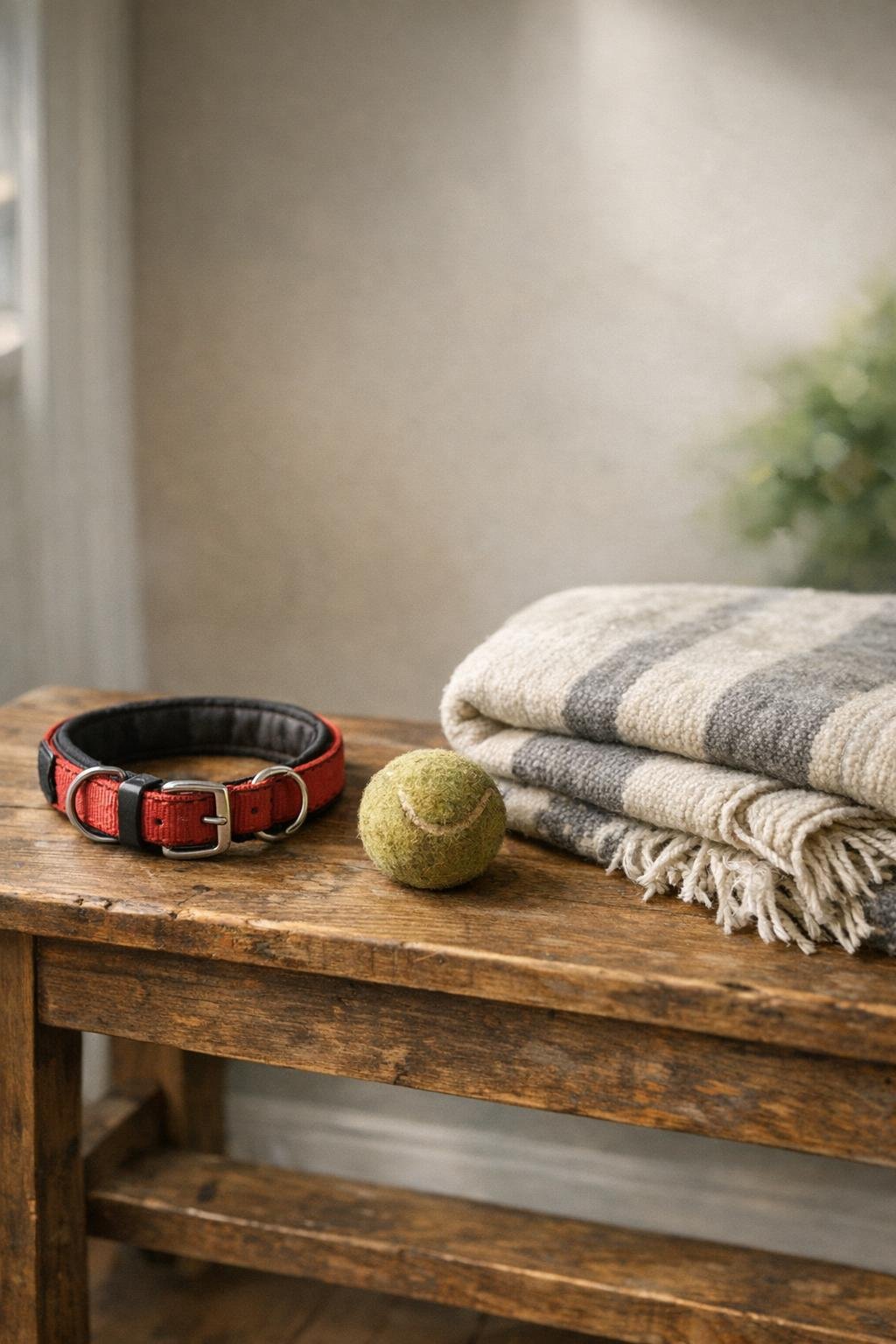
These reminders can continue for months because they are built into the physical world around you. A blanket with a bit of fur still on it, an old tennis ball under the radiator, or a collar tucked into a drawer can hold enormous emotional weight. That constant interaction with memory is one reason pet grief can be so persistent and so profound.
10. The relationship was built on years of shared life
Perhaps the biggest reason the loss is so painful is simple: time matters. If a dog lived with you for 10 to 15 years, that could represent thousands of walks, more than 7,000 meals served, countless greetings at the door, and a decade or more of steady companionship. Any relationship with that kind of consistency and affection is significant.
We sometimes underestimate pets because they don’t speak our language, but love is not measured by conversation alone. It is measured in presence, trust, repetition, and care. When a dog has shared your life through holidays, illnesses, moves, and ordinary Tuesdays, losing them can absolutely feel like losing a loved one—because in every meaningful sense, that’s exactly what happened.
If you are grieving a dog, I truly believe your sorrow is valid. The depth of that pain reflects the depth of the bond, and a bond built over years of love, routine, and companionship deserves to be honored with the same tenderness we give any meaningful loss.