
 Dogs
 Cats
 Birds
 Horses
 On the Land
 In the Sea
When I’ve talked with other older dog owners after a loss, one thing comes up again and again: it isn’t always the big milestones that undo us first. It’s the ordinary little habits. The 6:30 a.m. toenail click on the kitchen floor, the leash hanging by the back door, the way I still glance toward the water bowl before I turn in for the night. Those routines get stitched into a life so thoroughly that when a dog is gone, the empty spaces seem to echo louder than the hardest days we imagined.
For many of us who have loved a dog through puppyhood, middle age, and the slow changes of senior years, daily care becomes part of our own rhythm too. These are the reasons the everyday routines can be the hardest part of losing a dog, especially when you’ve built years of comfort, companionship, and purpose around those simple acts.
1. The house keeps reminding you on schedule
Grief has a way of arriving by the clock. If you fed your dog at 7:00 a.m. and 5:30 p.m. for years, your body remembers those times even when your mind is trying to get through the day. I’ve known that sharp feeling of looking toward the pantry at the exact minute I used to scoop out 1 cup of kibble, as if the sound of the measuring cup should still matter to someone.
These timed reminders are hard because they repeat. It’s not one anniversary or one difficult afternoon; it’s breakfast, walk time, medication time, bedtime. When a routine happened 3 or 4 times a day for 10 or 12 years, the home starts signaling the absence before you’re ready for it.
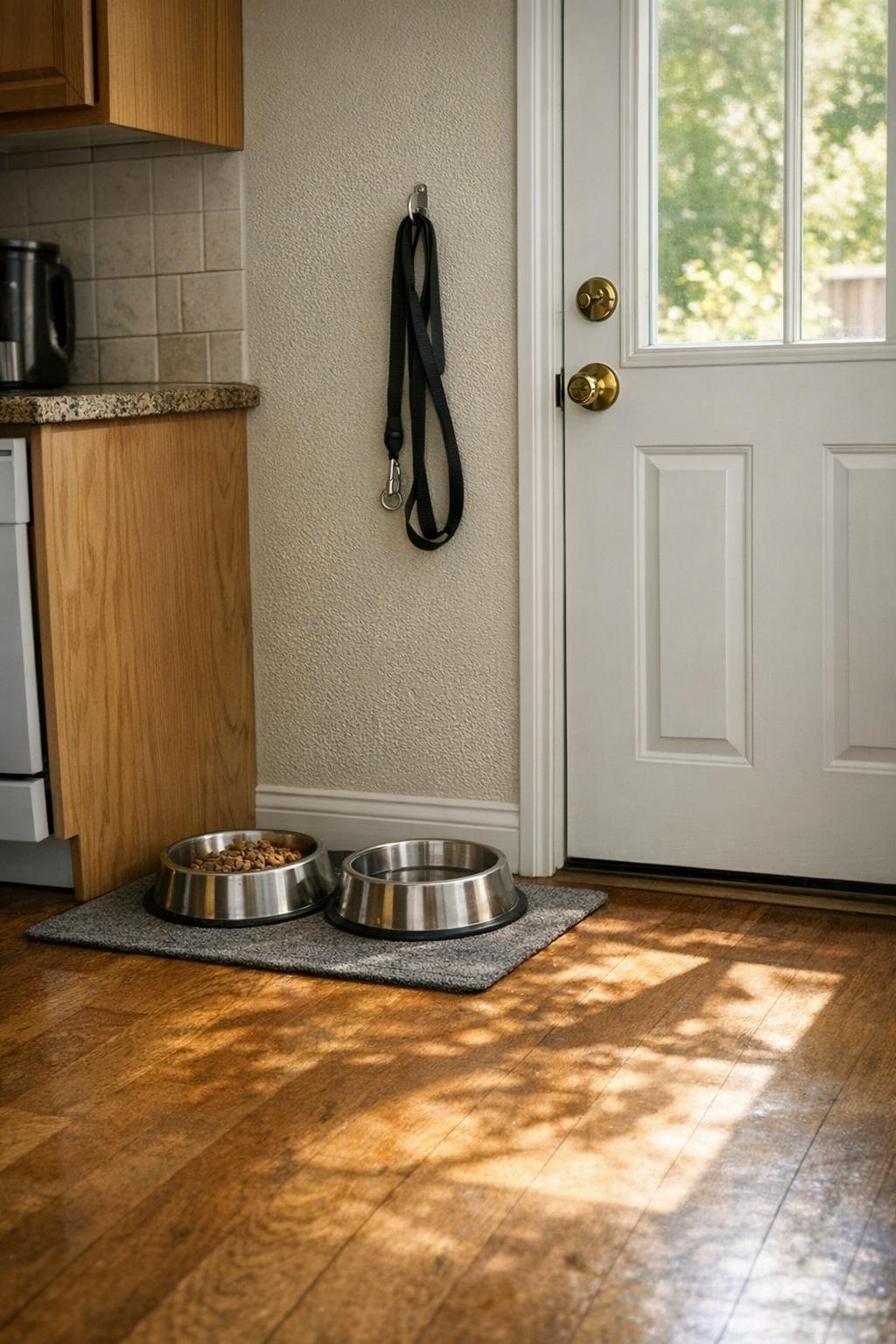
2. Caregiving gave your day structure
Especially in retirement, a dog often helps shape the day in practical ways. Morning potty trip at 6:45, a 15-minute walk after breakfast, fresh water at lunch, a slow lap around the block at 4:00, one last outing before bed. When that structure disappears, the day can feel strangely shapeless, and that can deepen loneliness fast.
For older owners, this loss of routine is more than sentimental. It may also mean fewer steps, less fresh air, and fewer natural transitions between morning, afternoon, and evening. The dog wasn’t just part of the day; in many homes, the dog quietly organized it.
3. The smallest sounds are suddenly missing
Many of us don’t realize how much comfort we took from the background sounds until they stop. The tags jingling at 8 feet away in the hall, the low sigh before a nap, the soft thump of a tail against the sofa, the scratch at the door after coming in from the yard. Those sounds become part of what “home” means.
Silence can be one of the most jarring parts of loss. A room that used to carry the gentle noise of another living being can feel too still, especially in the early morning or after dark. It’s not dramatic, but it can be heartbreakingly noticeable.
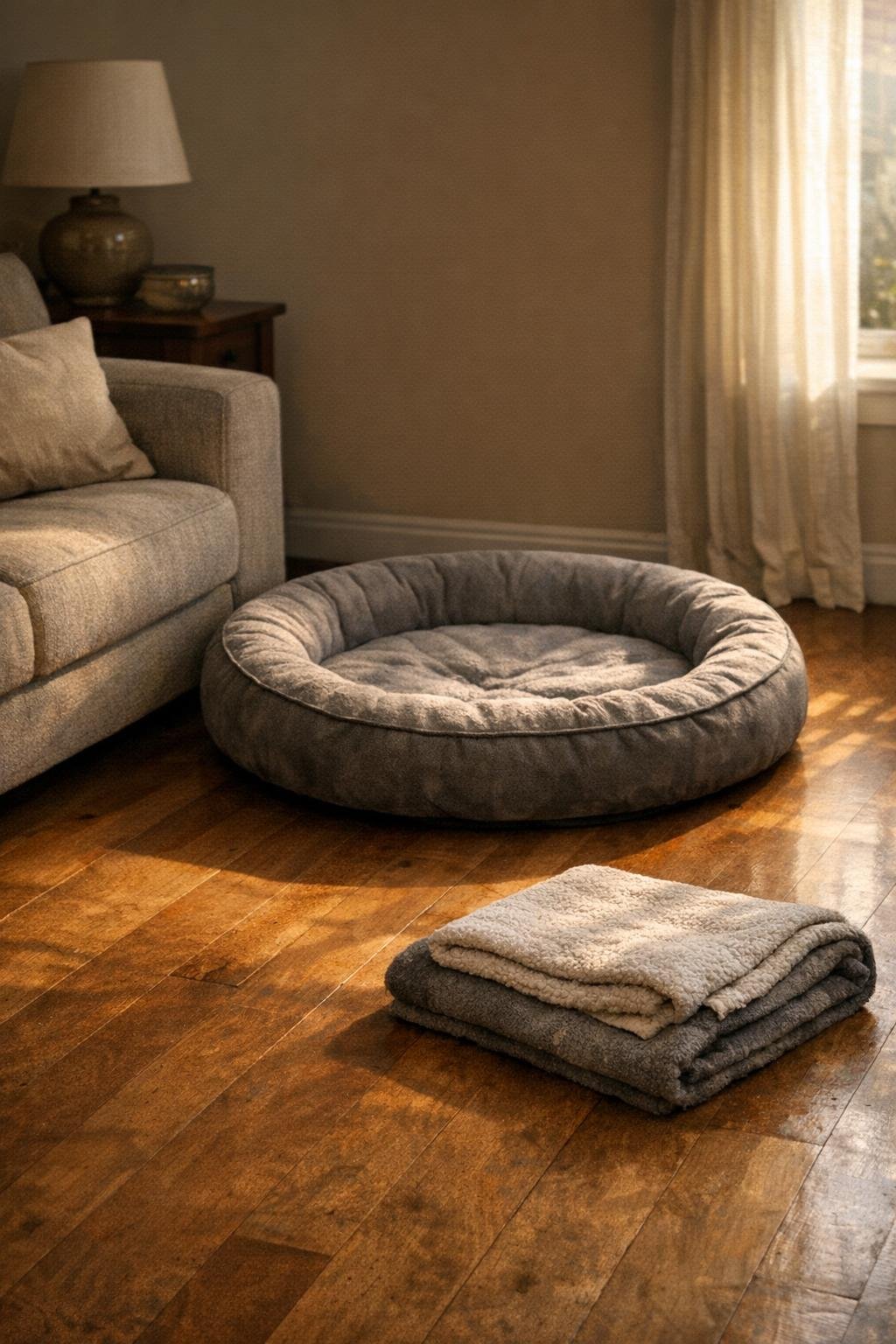
4. Ordinary chores become emotional landmines
Refilling the treat jar, washing the food bowl, picking up the last unopened bag of prescription food, or finding medication tucked behind the toaster oven can bring on tears without warning. These are such practical tasks that they can catch you off guard. One minute you’re wiping the counter, and the next you’re standing with a bottle of pills in your hand, unable to decide what to do with it.
That’s part of why routines hurt so much: they are physical. They involve hooks, bowls, towels, crates, ramps, brushes, and beds. Every object has a job attached to a memory, and every memory points back to care you gave faithfully, day after day.
5. You still move through the house as if your dog is there
After years together, your body learns habits your mind doesn’t have to direct. You step over the usual sleeping spot by the sofa. You open the door only halfway so no one darts past your legs. You check the floor before carrying a hot pan. I still think this is one of the strangest parts of grief, because it lives in muscle memory.
These automatic motions can last for weeks or months. They show just how deeply shared life becomes with a dog. The routine wasn’t only something you did for your dog; it changed how you inhabited your own home, right down to how you walked from one room to another.
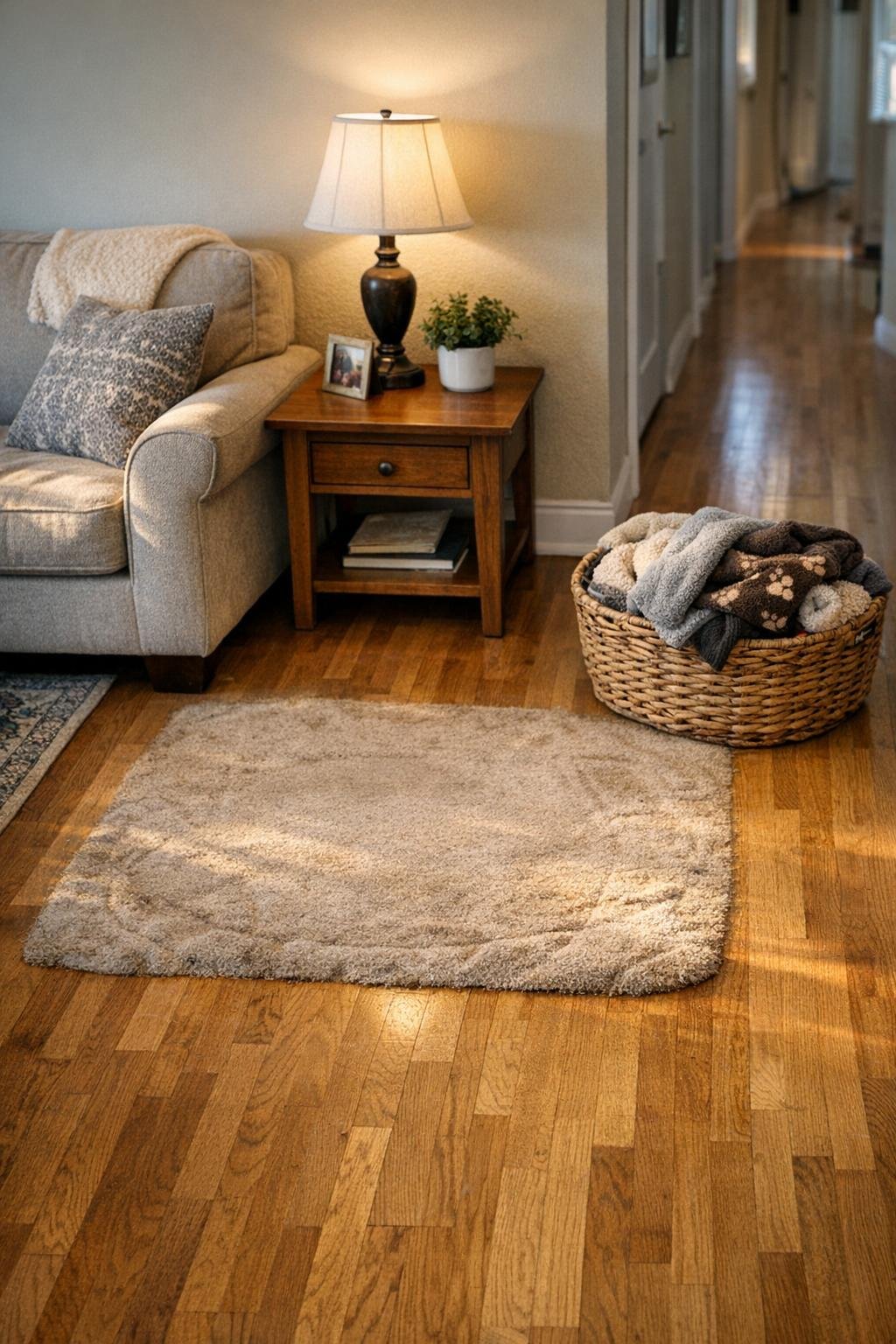
6. Walks were never just exercise
For many older dog owners, the daily walk is companionship in motion. It’s 20 minutes around the block, a chat with the neighbor at the corner mailbox, a stop beneath the maple tree, the same route that takes about three-quarters of a mile when knees or hips are not at their best. Without the dog, that walk can feel purposeless at first.
The loss is social as well as emotional. People you greeted because of your dog may not stop in the same way, and you may be less inclined to go out at all. A routine that once supported your mood, mobility, and connection to the neighborhood can vanish overnight.
7. Nighttime routines leave the biggest emptiness
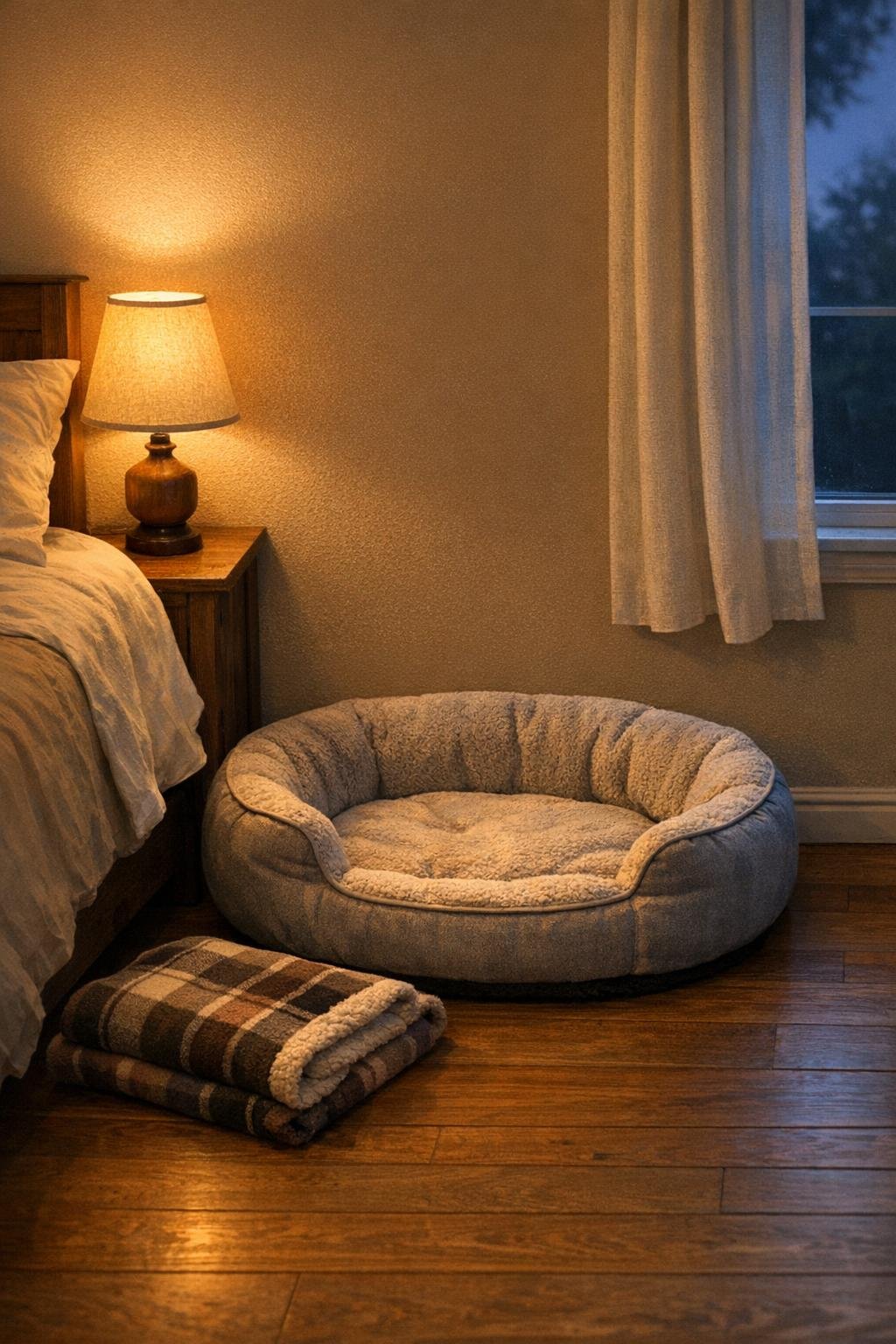
Daytime can keep you occupied, but bedtime is often where the loss lands hardest. Maybe your dog slept on a mat beside your bed, needed one final trip outside at 10:00 p.m., or circled twice before settling under the lamp. When the house goes dark, those final rituals are suddenly absent, and there’s nothing to distract from it.
Night can also bring practical reminders: no collar to remove, no pill pocket to prepare, no blanket to straighten, no soft goodnight pat on the shoulder or chest. That last 10 minutes of the day used to end with care, and when that care is gone, the quiet can feel immense.
8. Routines are where love used to live in action
The hardest truth, I think, is that daily routines are love made visible. Measuring 2 tablets into a bit of cheese, wiping muddy paws with an old towel by the door, lifting a senior dog up 3 porch steps, washing a favorite blanket every Sunday—these things can look small from the outside. To the person who did them, they were a steady expression of devotion.
When the routines stop, it can feel as if your love has nowhere to go. That is why the ordinary moments ache so much. They held the work, tenderness, responsibility, and companionship of your bond, and their absence reminds you not only that your dog is gone, but how faithfully you loved.
If you’re finding the routines hardest, you’re not grieving “wrong.” In my experience, those repeated little acts are often where a dog’s place in our lives was deepest, and feeling that absence so sharply is simply one more measure of a well-loved companion.