
 Dogs
 Cats
 Birds
 Horses
 On the Land
 In the Sea
If you’ve ever stood in your bedroom at night and found your dog curled up in the exact spot you were about to climb into, you are definitely not alone. I’ve had dogs do this through puppyhood, middle age, and those sweet senior years when they seem to know our routines better than we do. As a devoted dog owner, I’ve learned that this little habit usually means more than “the bed is comfy.”
In my experience, dogs pick our side of the bed for some very specific reasons, and a few of them are honestly a little surprising. If your older pup keeps choosing your pillow, your blanket, or the warm spot by your hip, here are 9 possible explanations for what’s going on.
1. Your scent makes them feel safe
Dogs experience the world through smell first, and your side of the bed carries the strongest concentration of your scent from your pillowcase, sheets, and pajamas. To a dog, that familiar smell can be as comforting as a favorite blanket is to a child. Older dogs especially may seek it out when their hearing or eyesight starts to fade, because scent stays dependable even when other senses change.
I’ve noticed senior dogs often press right into the spot where my shoulder and torso were, almost like they’re settling into reassurance. If your dog seems more clingy at night, washing bedding a little less aggressively with heavy fragrances or leaving a recently worn T-shirt nearby can sometimes help them settle without pacing.
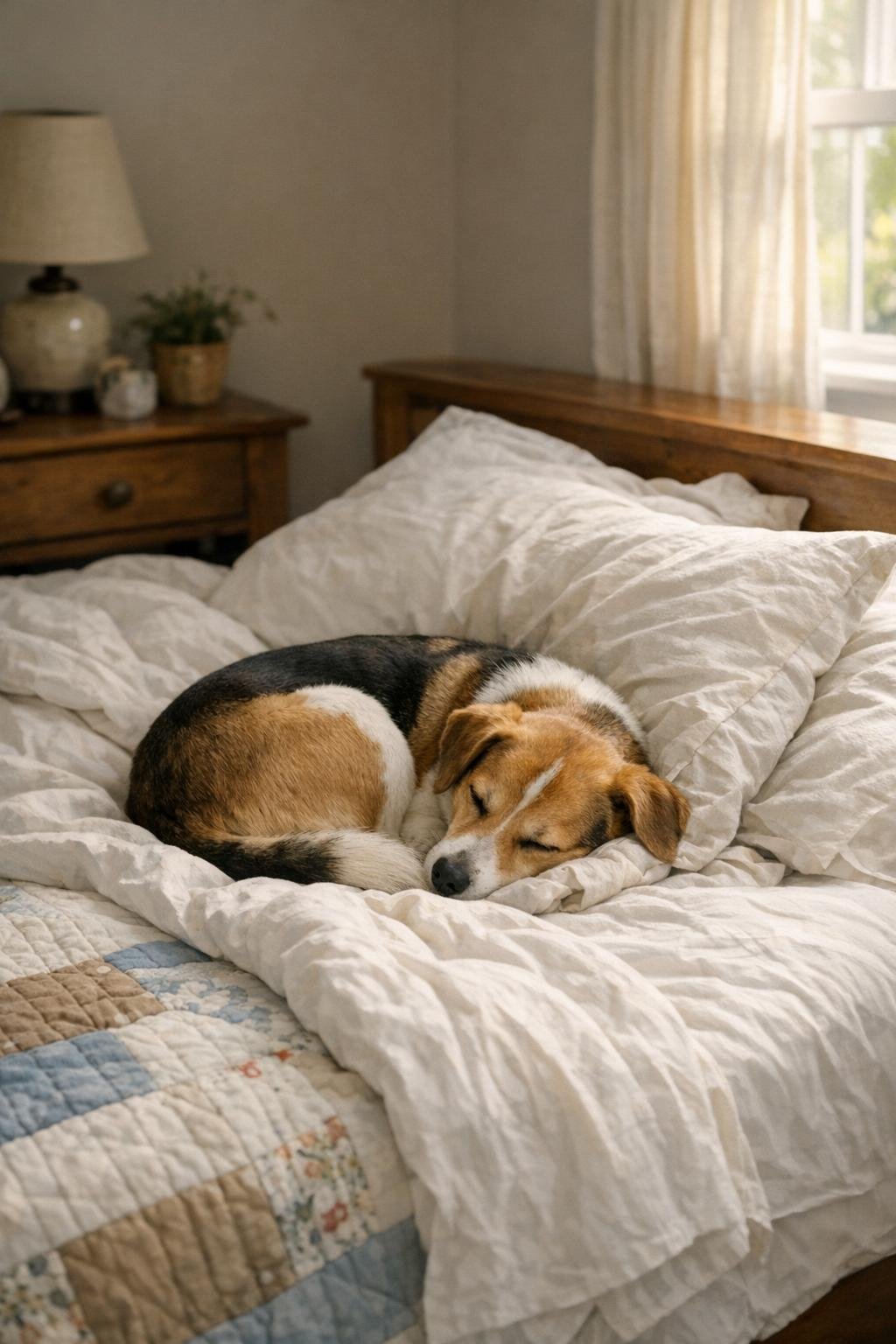
2. That spot is still warm from your body heat
Dogs love warmth, and your side of the bed is often the coziest place in the room for at least 10 to 20 minutes after you get up. That warmth can be especially appealing to older dogs with stiff joints, mild arthritis, or thinning coats. A mattress topper, flannel sheets, or a thick comforter holds heat even longer, which makes your side extra tempting.
In winter here in the Midwest, I see this all the time. A dog that ignores the middle of the bed may head straight for the exact handprint of warmth you just left behind. If this sounds familiar, a heated pet bed on a low setting or a folded fleece blanket nearby may give them a comfortable alternative.
3. They’re guarding the person they love most
Some dogs choose your side of the bed because they see it as their post. From there, they can watch the bedroom door, listen for movement in the hall, and stay close enough to respond if you stir. This isn’t always dramatic guard-dog behavior; often it’s quiet, loyal supervision that says, “I’ve got you.”
Older dogs who have spent years bonded to one person can become especially devoted to bedtime patrol. If your dog lies facing the door, lifts their head at small sounds, or waits until you settle before relaxing, they may be choosing your side because it feels like the best place to keep watch.
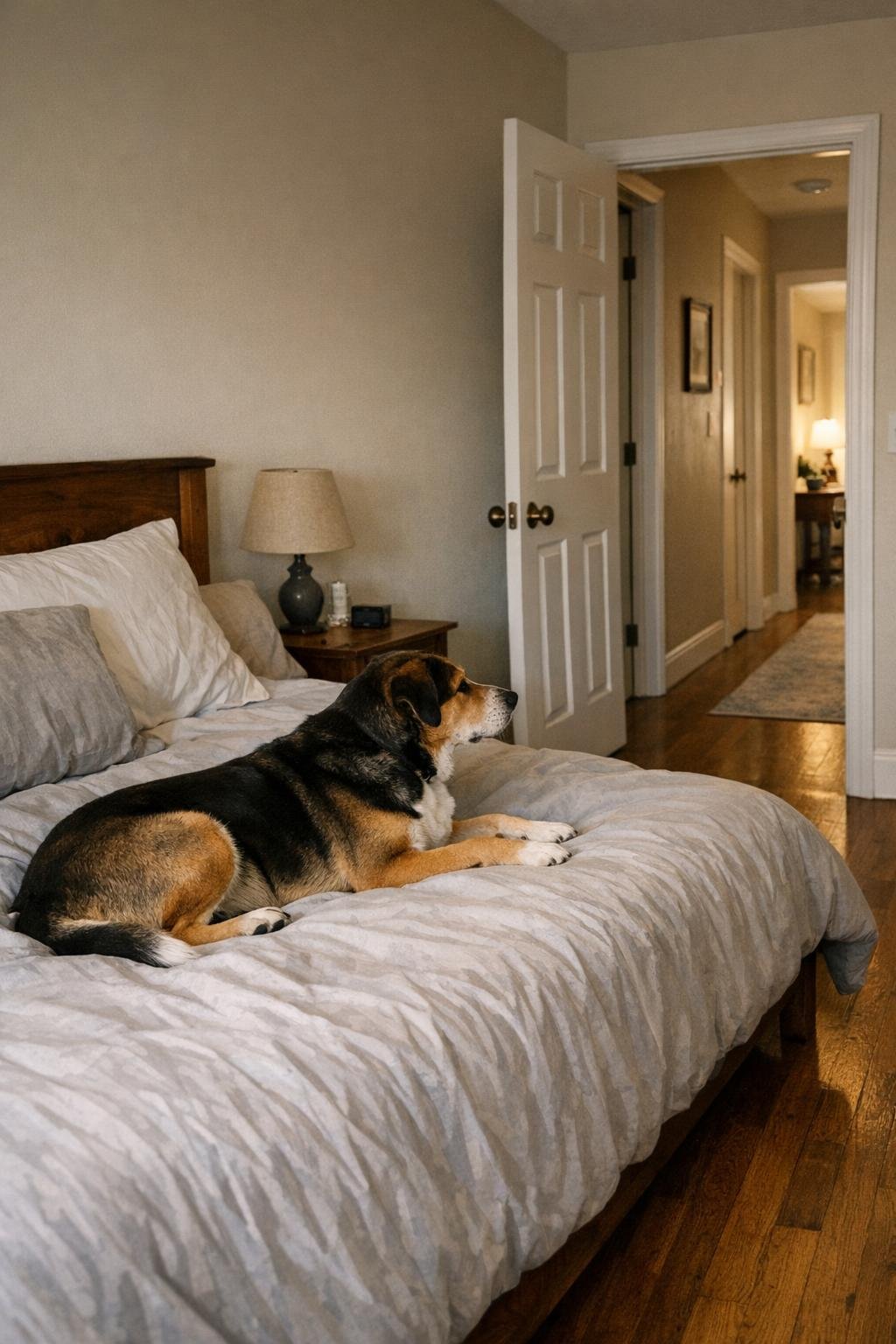
4. Your side smells the most like the daily routine they know
Dogs thrive on patterns, and your side of the bed may represent the most predictable part of their day. If you’re the one who does the feeding at 7 a.m., hands out the evening treat at 8 p.m., or takes the slower neighborhood walk after dinner, your spot becomes tied to all of that security. Sleeping there can be a way of staying connected to the rhythm they trust.
This can be even more noticeable in older dogs who don’t handle changes well. A new medication schedule, a guest staying over, or even rearranged furniture can make them lean harder on familiar places. Your side of the bed becomes one more anchor in a world they like kept simple.
5. They may be claiming the spot when they miss you
Sometimes a dog sleeps on your side simply because you aren’t there, and they want the next best thing. This is especially common if you leave early for work, stay up later than they do, or get up during the night. Your place on the bed can act like a stand-in, giving them closeness until you return.
I’ve seen this most with dogs that sigh, circle twice, and then settle right on the pillow or across the blanket near the edge. If your dog does this more when your schedule changes or after travel, it may be less about stubbornness and more about missing their person.
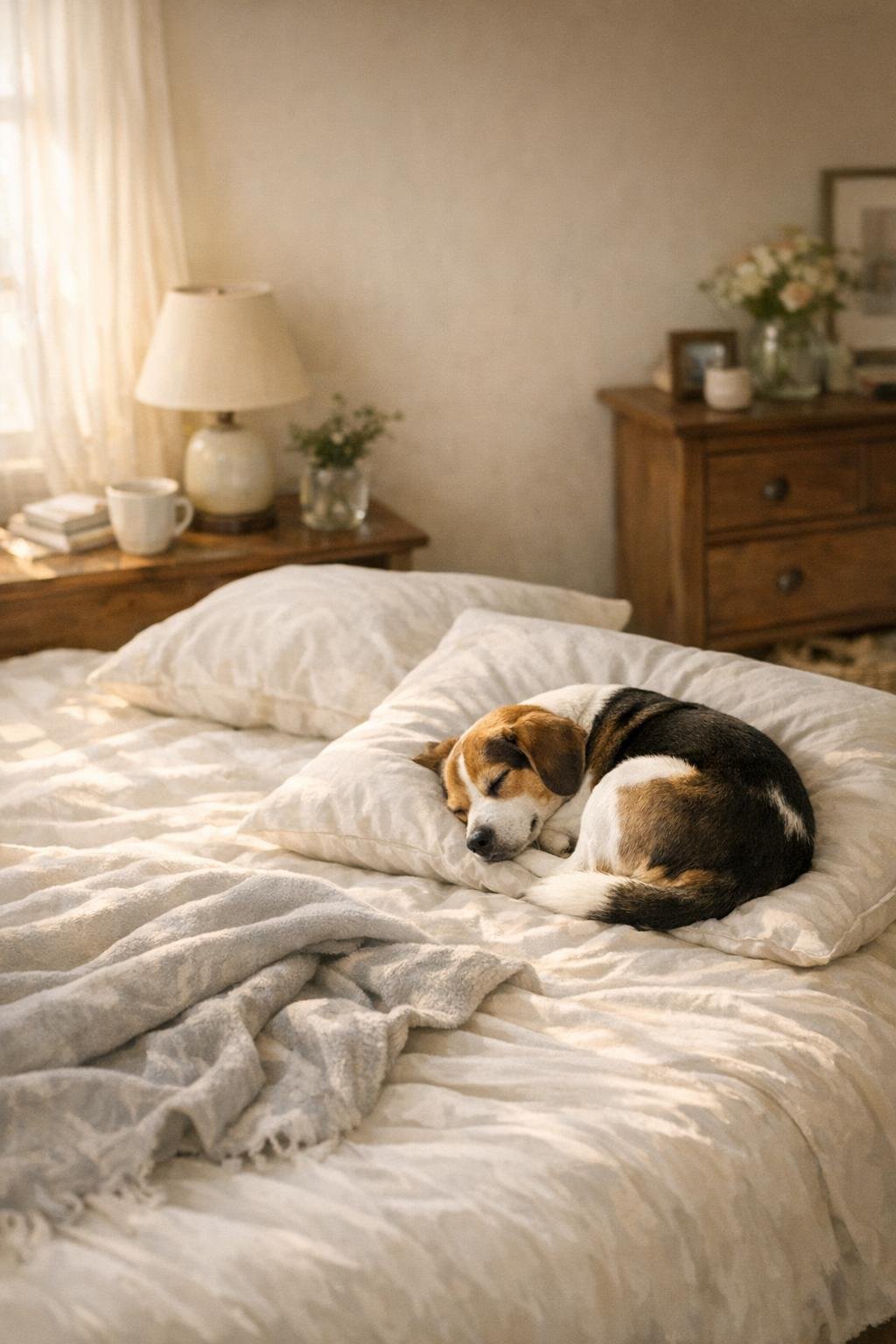
6. It may be easier on aging joints than their own bed
As dogs get older, comfort becomes less negotiable. Your mattress may offer several inches of cushioning that a thin dog bed on the floor just can’t match. If your dog hesitates before lying down elsewhere but settles quickly on your side of the bed, they may simply be choosing the surface that hurts least.
Look for little clues: taking 5 to 10 seconds to lower themselves, circling repeatedly, or avoiding hard floors in the morning. In that case, the habit may be a useful signal that it’s time to upgrade their bed with orthopedic foam at least 3 to 4 inches thick, especially for medium and large breeds.
7. They’ve learned your side gives them the best view
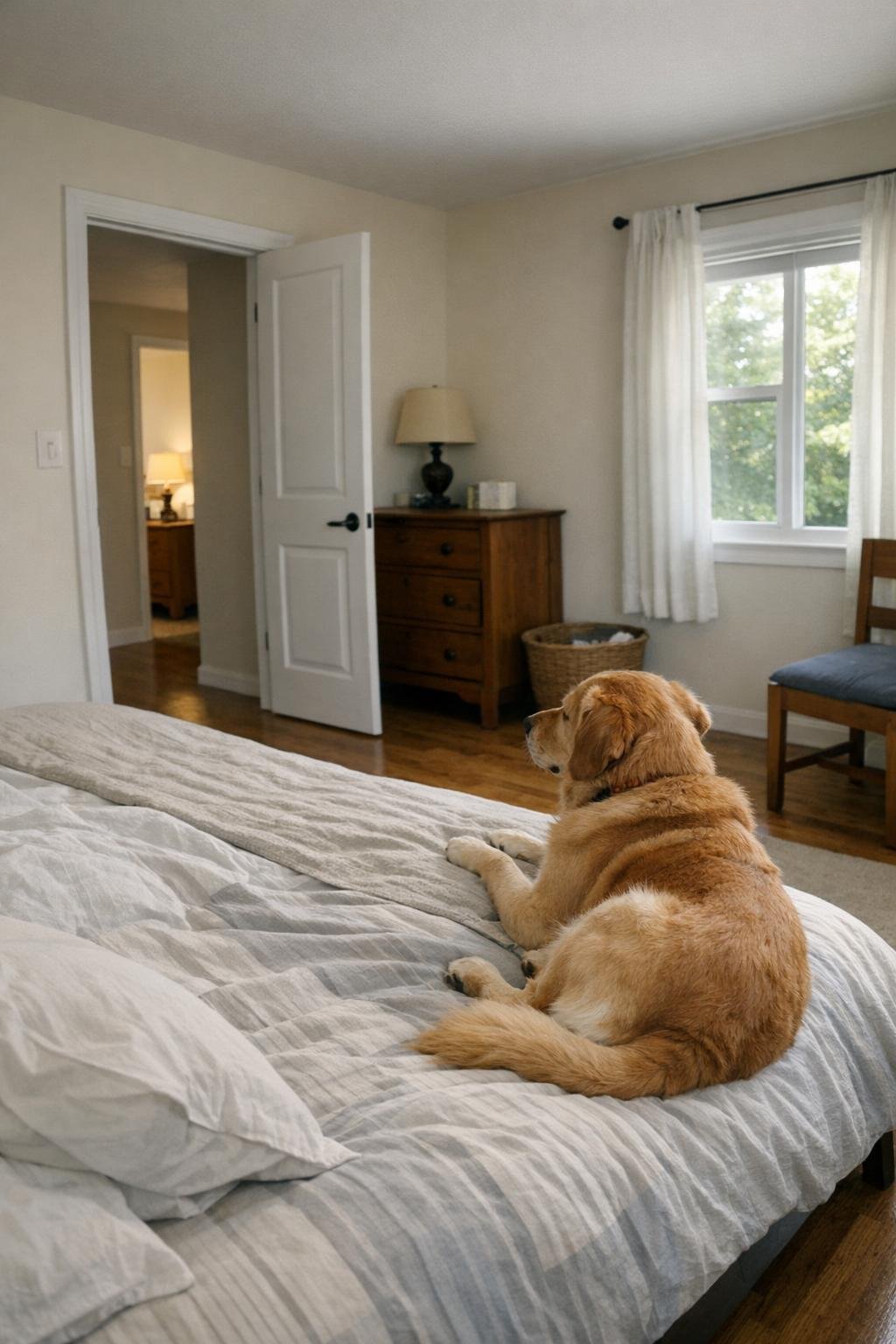
Dogs are observant, and many pick sleeping spots based on location, not just comfort. Your side of the bed may offer a clear line to the bedroom door, the hallway, the window, or even the heater vent. If they can monitor the household from that position without having to move much, it becomes prime real estate.
This is one of those reasons people don’t always think about. In one bedroom, the left side might let a dog see 12 feet down the hall, while the other side faces a wall and offers very little information. Dogs notice those practical details more than we give them credit for.
8. Stress or cognitive changes can make them seek extra closeness
Senior dogs can go through changes that make nighttime feel less certain. Anxiety, hearing loss, vision decline, or canine cognitive dysfunction may all lead a dog to seek the most familiar and reassuring place available. Your side of the bed offers your scent, your warmth, and the expectation that you’ll be back soon.
If this behavior is new and your older dog also paces at night, seems restless after dark, or gets confused in familiar rooms, it’s worth bringing up with your veterinarian. I always tell fellow dog owners that behavior changes are information. Sometimes the sweetest habits are also gentle clues that our dogs need extra support.
9. Because you accidentally trained them to do it
This one gets a smile from me because it’s so common. If your dog climbed into your spot once, got petted, laughed at, tucked under the blanket, or allowed to stay there for “just tonight,” they may have decided it was a wonderful arrangement. Dogs repeat what works, especially when the reward is comfort plus attention.
Over months or years, that one-time invitation can turn into a bedtime tradition. If you don’t mind, there’s no problem at all. But if you do want to change it, consistency matters more than scolding. A designated blanket, a dog bed placed within 2 to 3 feet of your side, and the same cue every night usually work better than mixed signals.
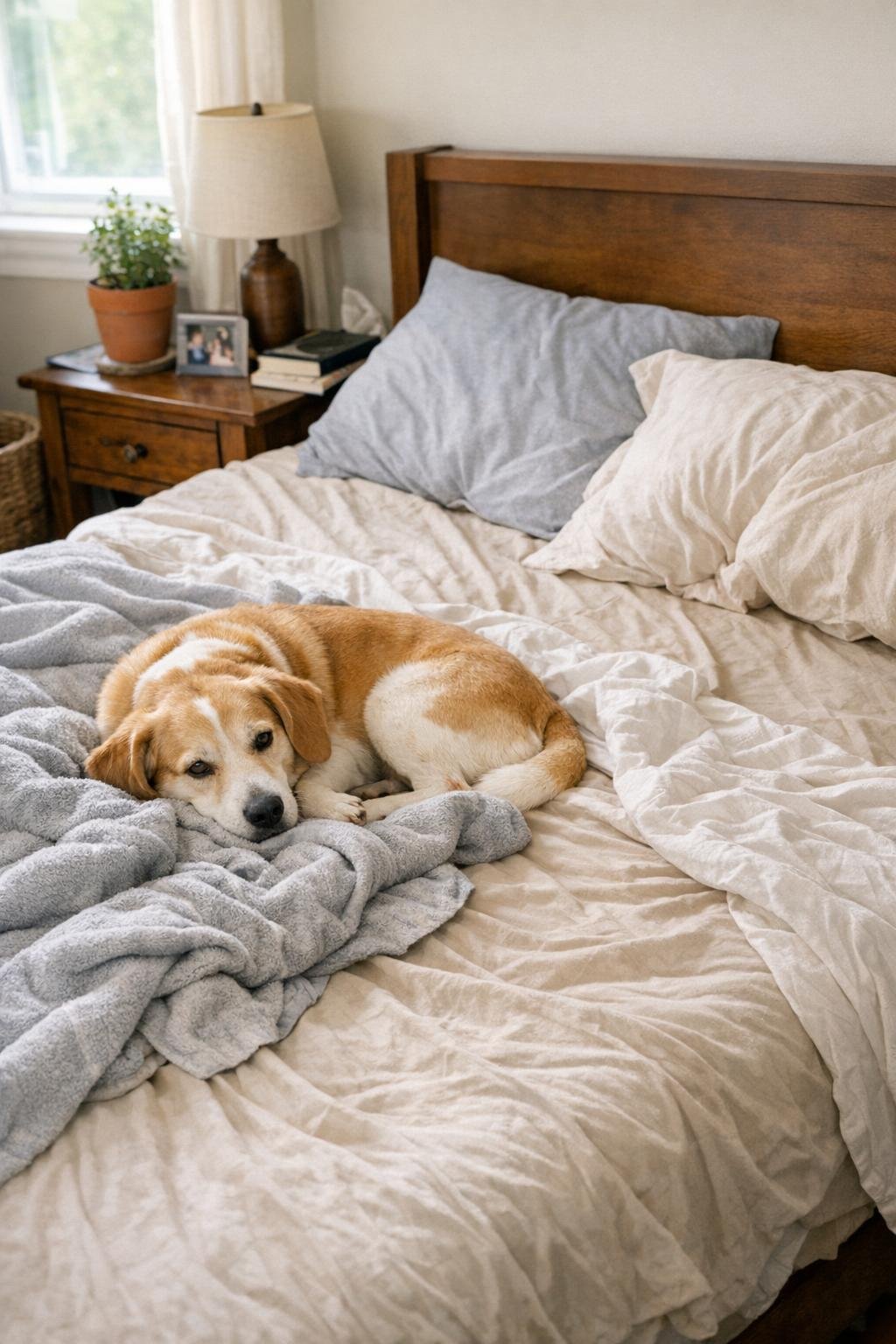
When a dog sleeps on your side of the bed, it’s usually a tender mix of comfort, habit, loyalty, and trust. For those of us who adore our older pups, it’s one more reminder that even the smallest bedtime routine can mean the world to them.